
A New Angle on Lighting!!!

April 23, 2026

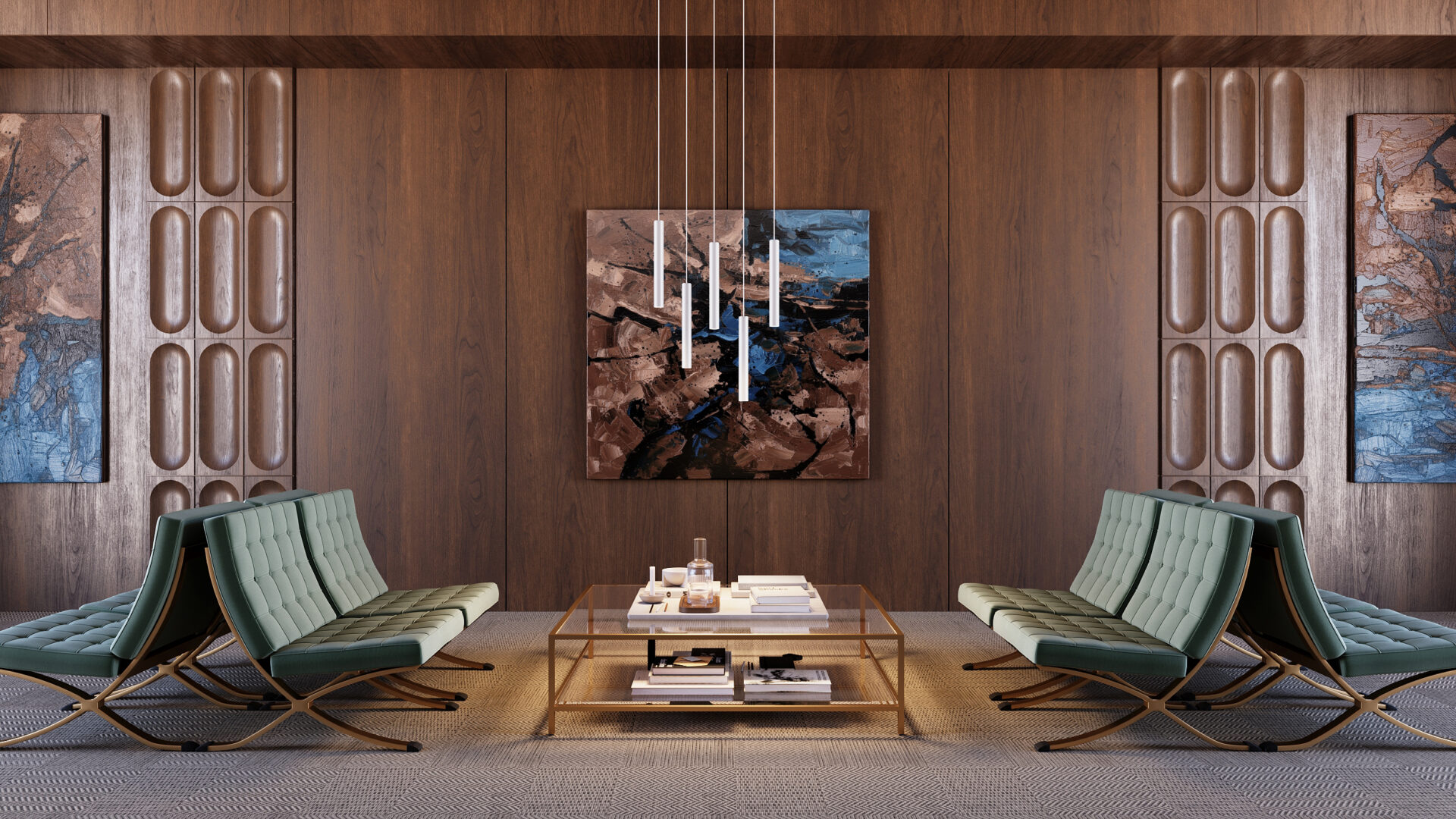
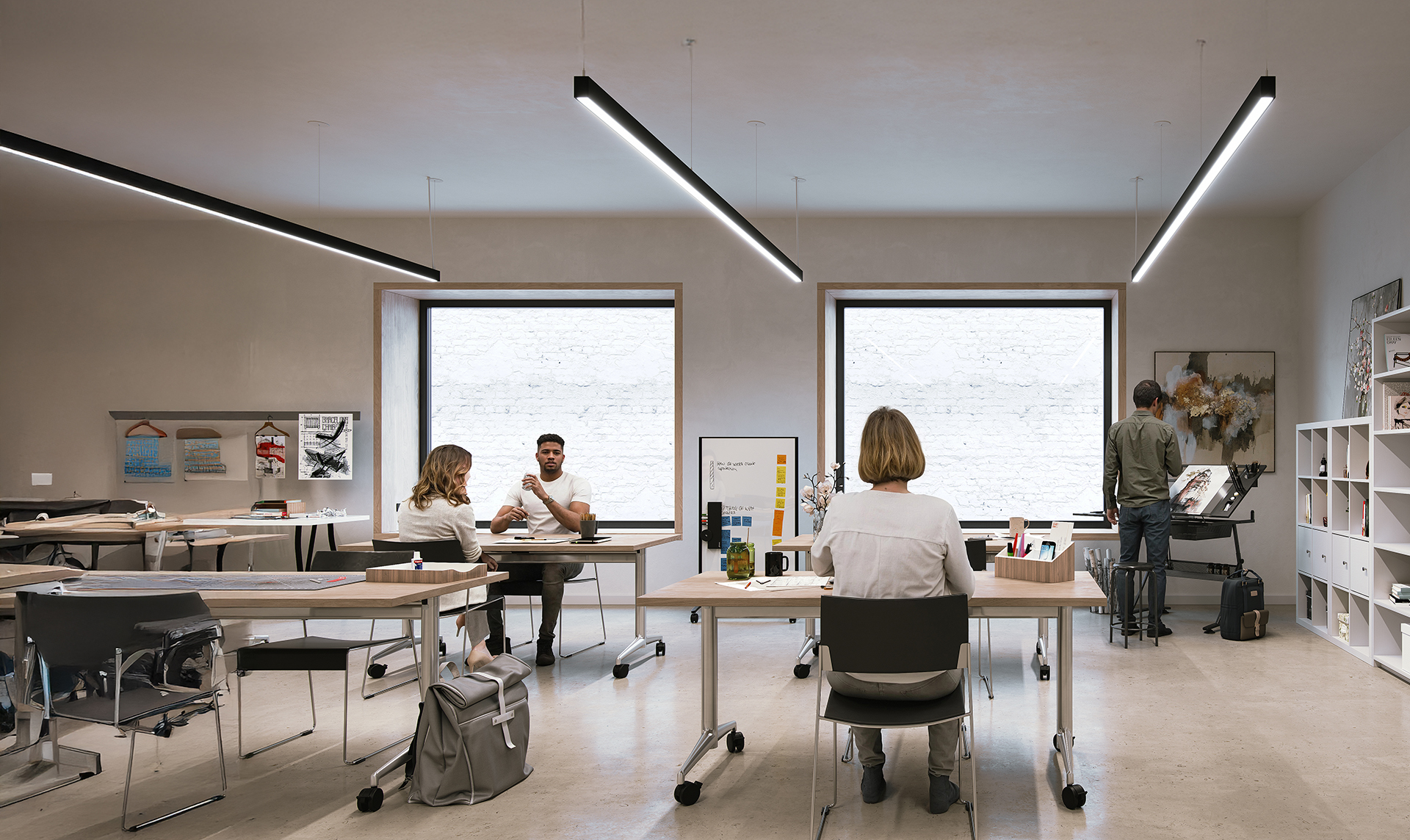
Prudential Lighting introduces BionicProMini2 X and Y—two new pendant fixtures that bring bold geometry and fresh design flexibility to the trusted BionicPro platform.

Designed to make a statement while delivering precision performance, X+Y redefine how light interacts with space—offering architects and designers a new way to think about angles, form, and illumination.


Every Beam, perfectly precise.

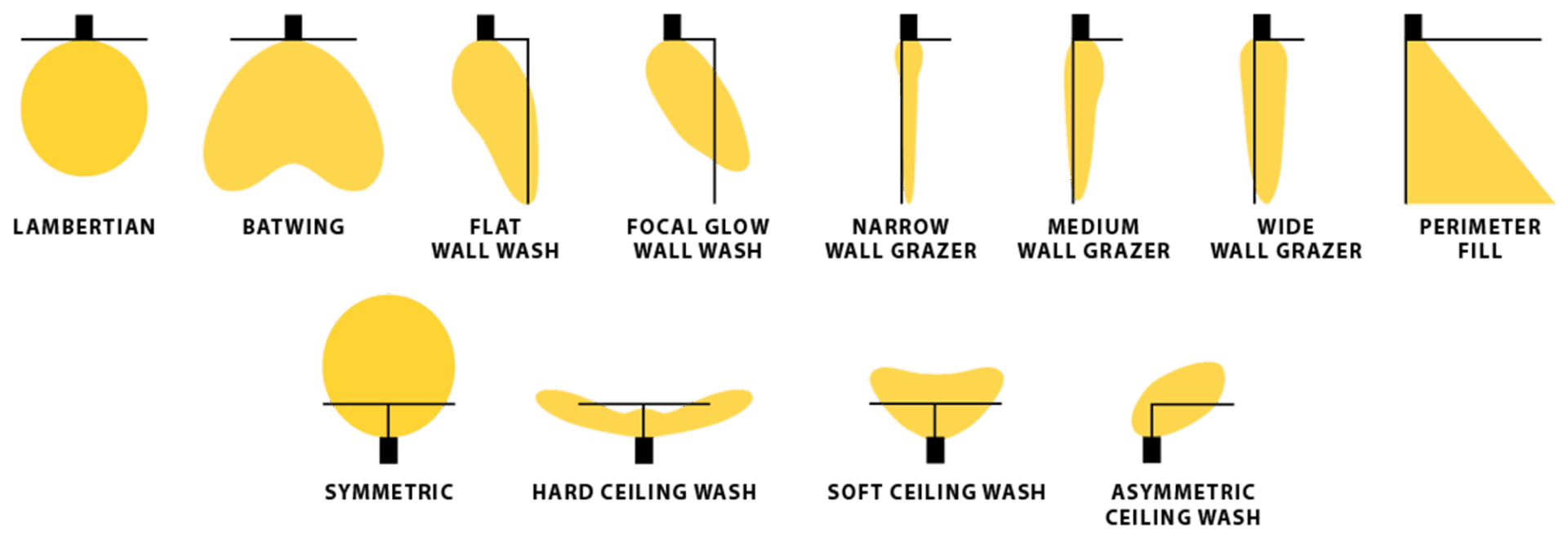
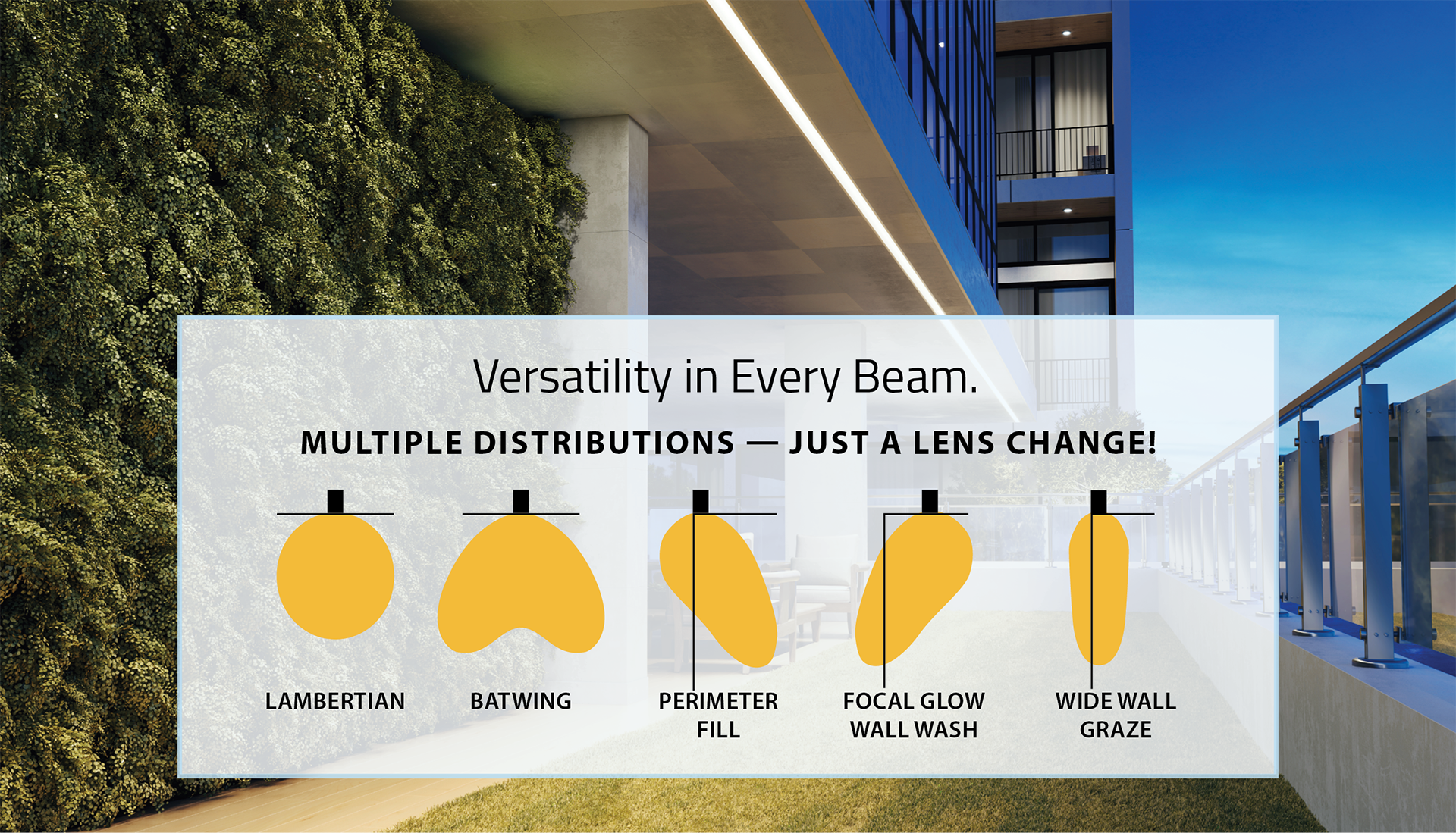
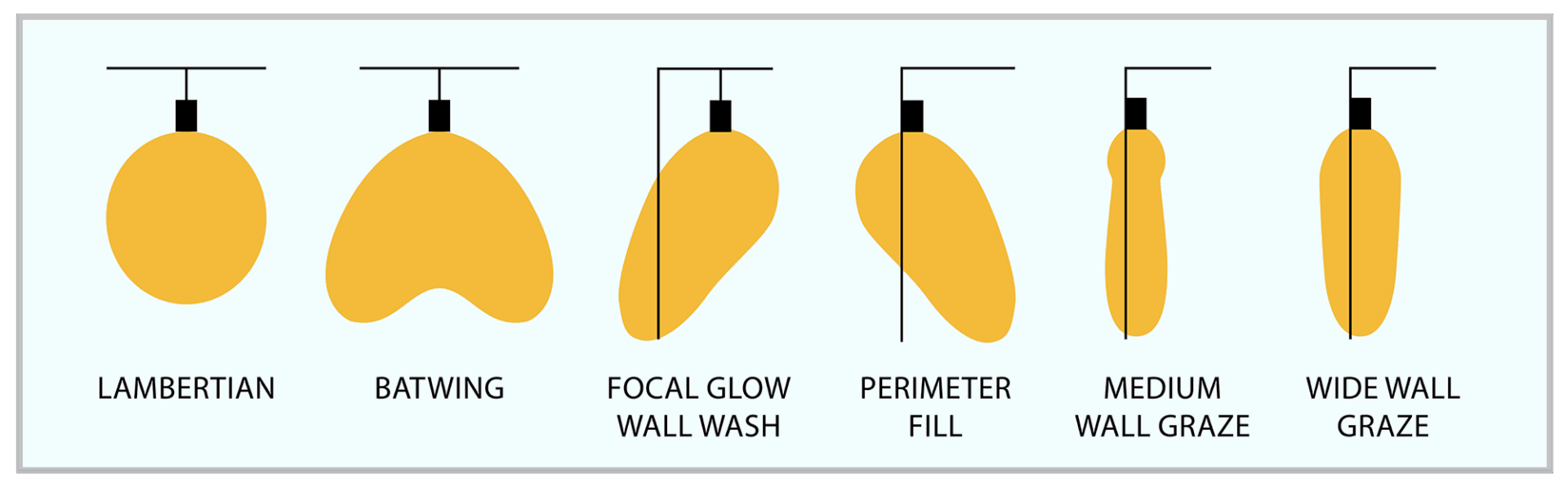
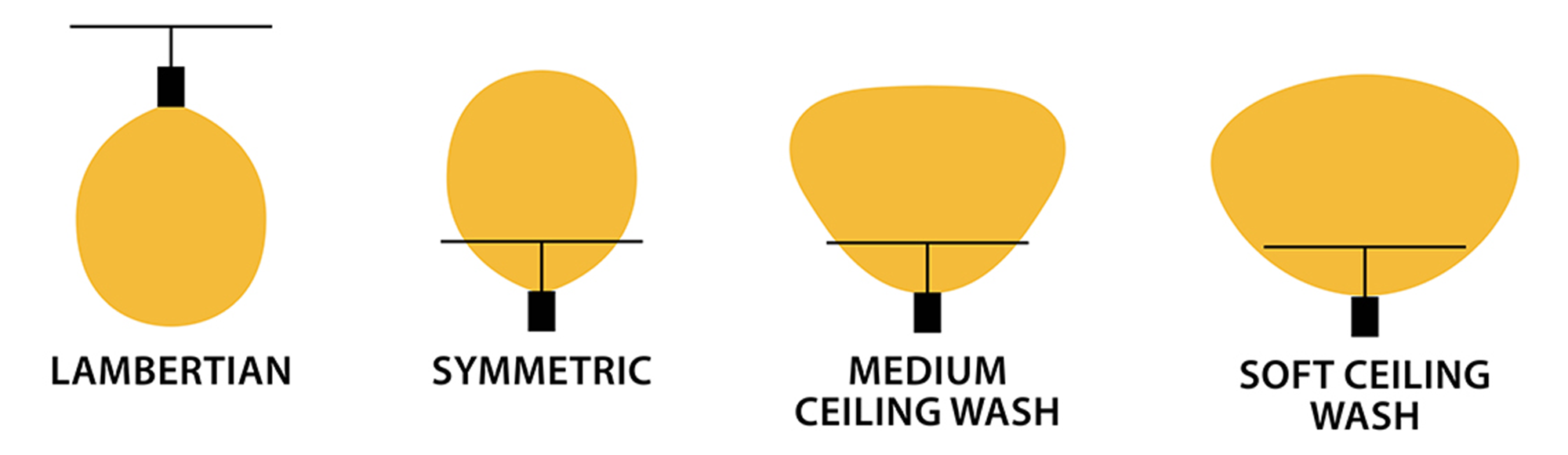
Every detail is engineered for performance. With four distinct light distributions—including two ceiling washes—BionicProMini2 X+Y give you the control to shape light exactly where it’s needed.

Achieve exceptional efficacy and uniformity across applications, all with a simple lens change. No complexity—just precision.


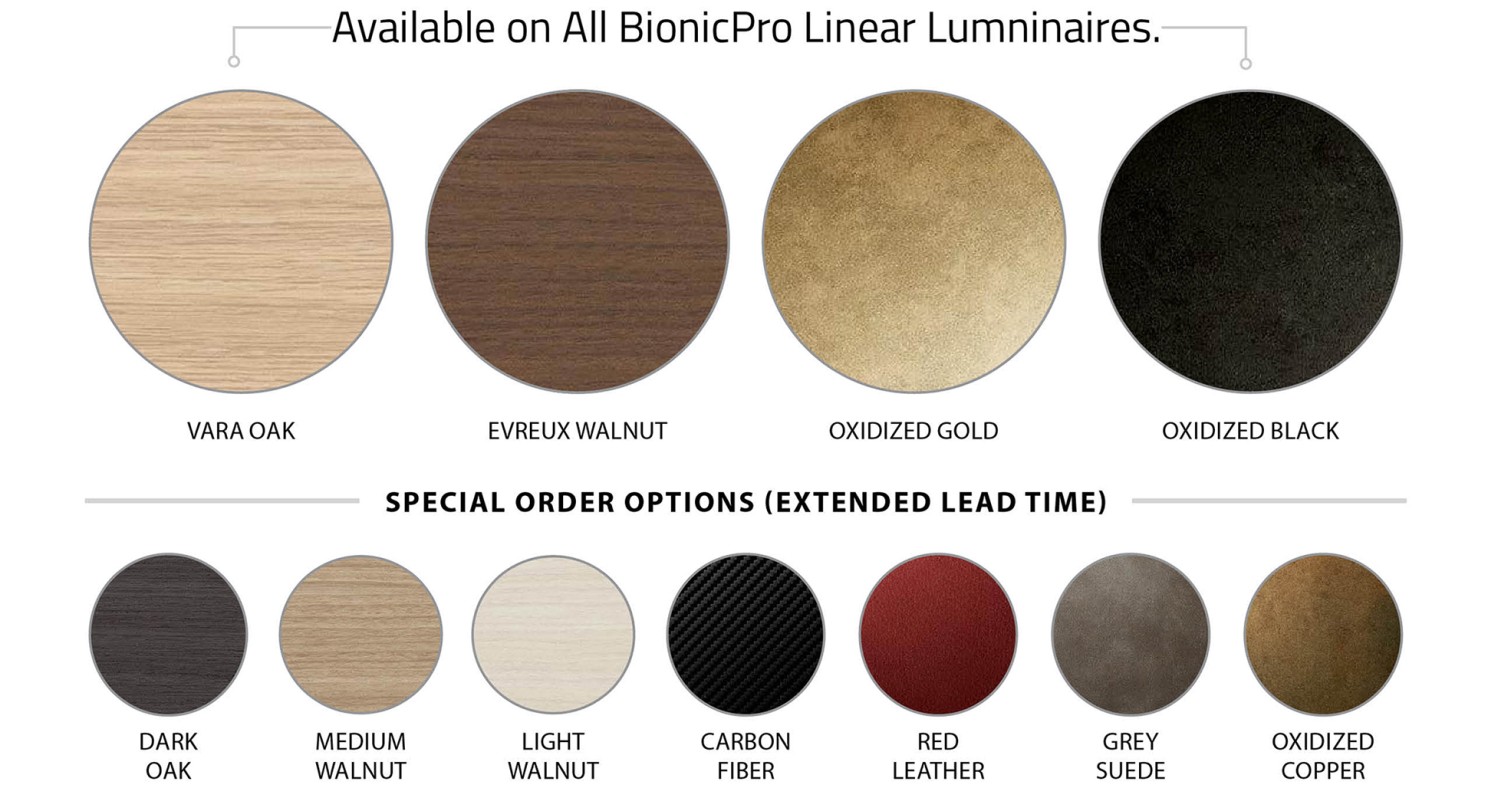
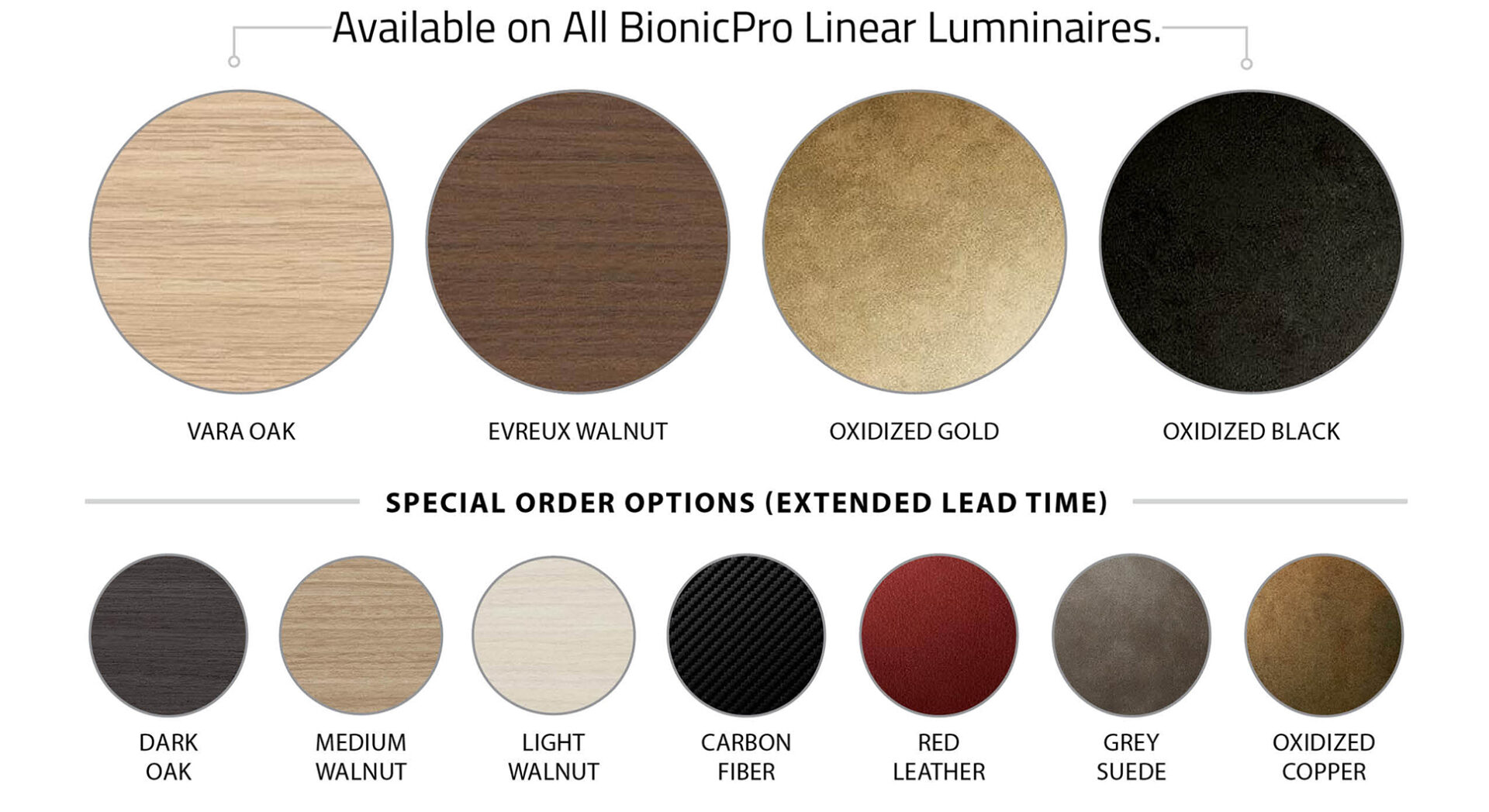
Architectural Laminates That Impress!

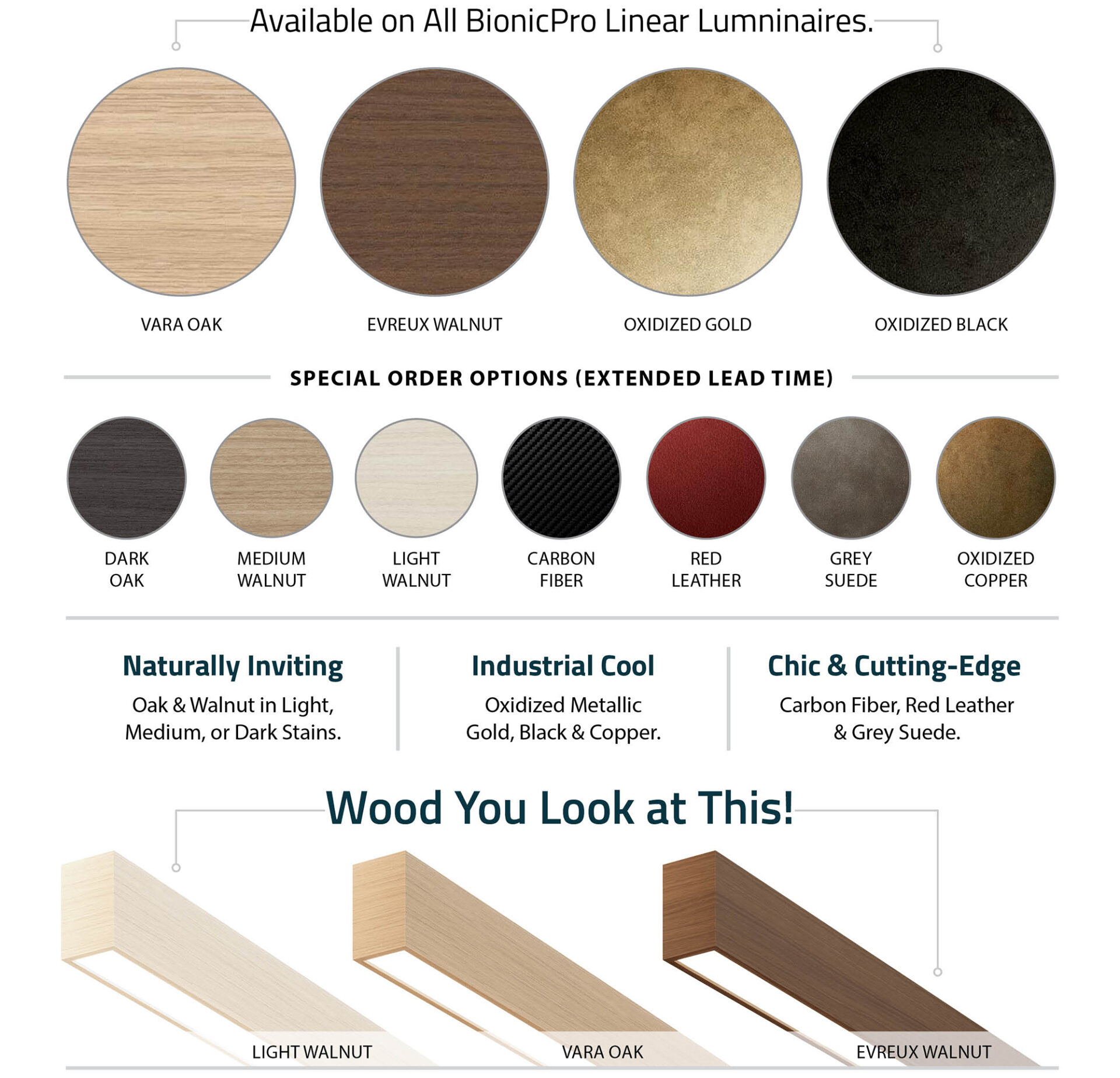
Elevate your design with a curated palette of architectural finishes that bring depth, texture, and personality:

  • Wood grains for warmth and natural character

  • Oxidized metals with an industrial edge

  • Leathers for a refined, tactile feel

  • Carbon fiber for a sleek, high-tech aesthetic

These finishes transform fixtures into design elements—integrated, intentional, and expressive.


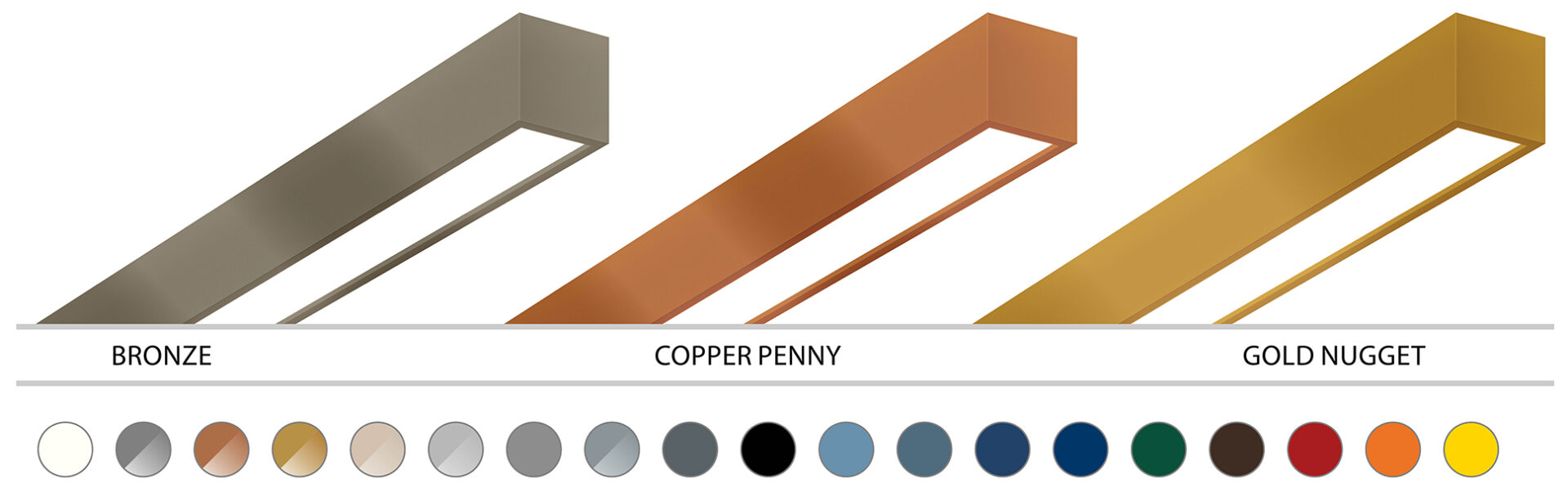
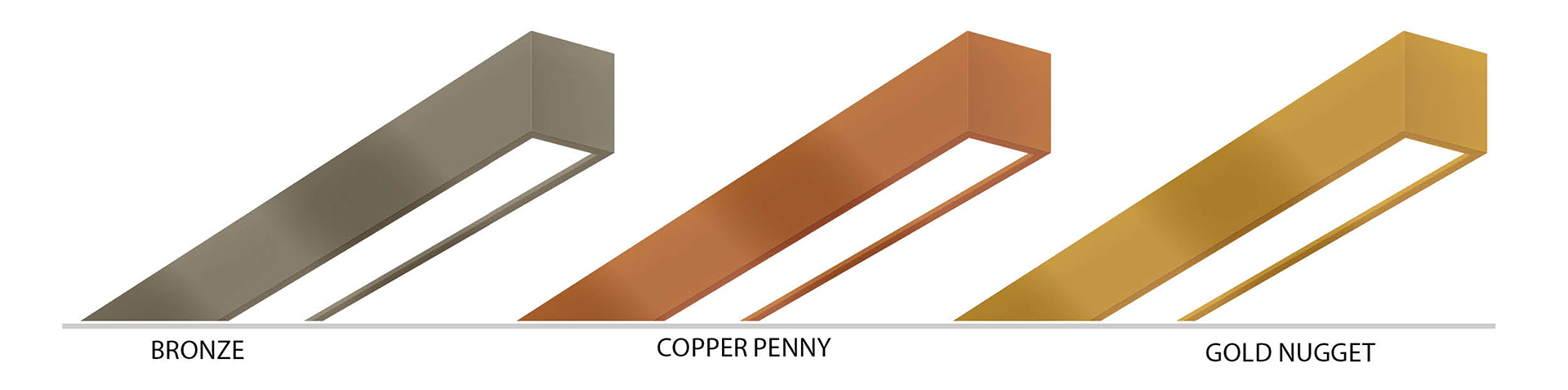
Hold Up—Did Someone Say Shimmer?

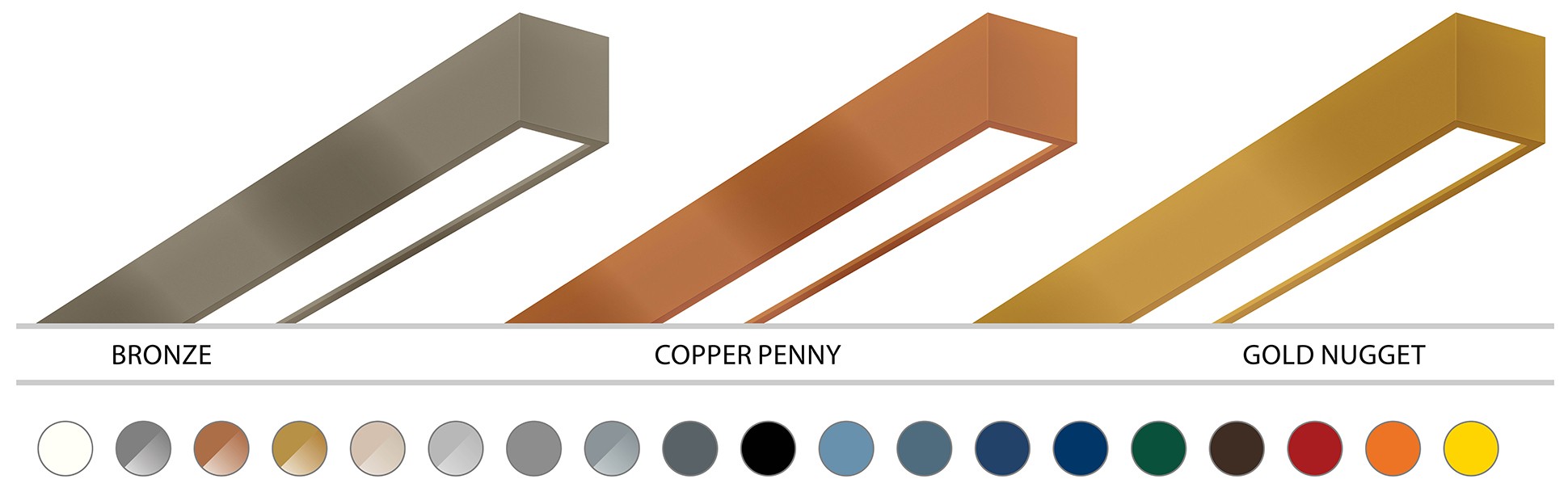
Say hello to our exclusive Luxe Metallics:

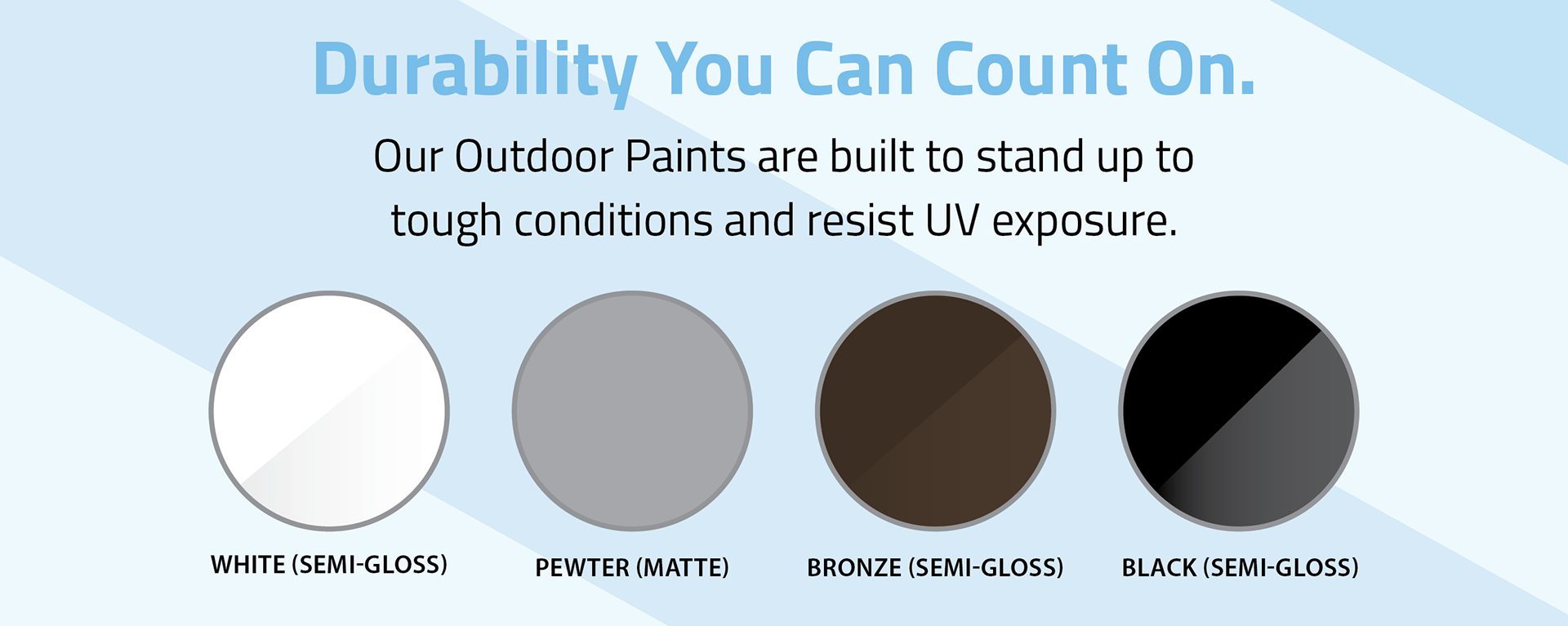
Plus, choose from a selection of premium powder-coated colors, all finished in-house at Prudential Lighting.

Our in-house powder coating isn’t just a process—it’s a commitment. By keeping it under our roof, we ensure every fixture meets exacting standards for durability, consistency, and design excellence. Because quality doesn’t stop at design—it shines through to the final coat.


Beyond White Light.

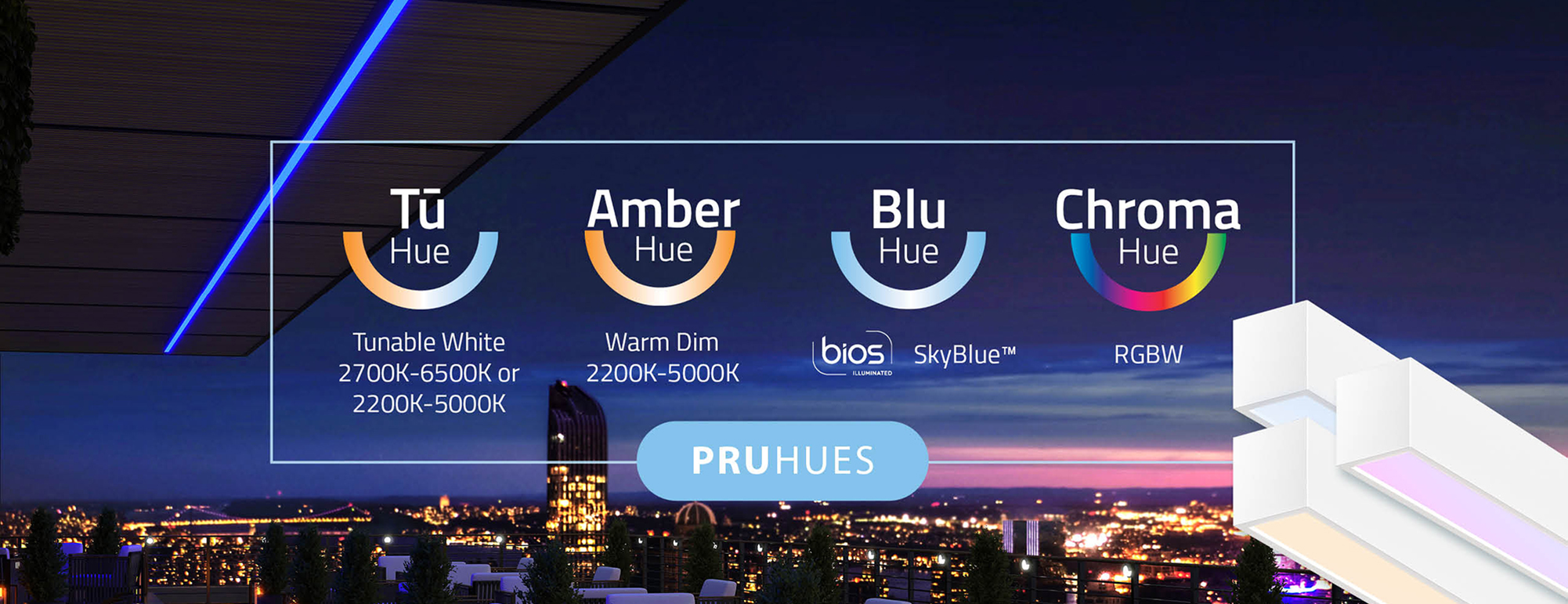
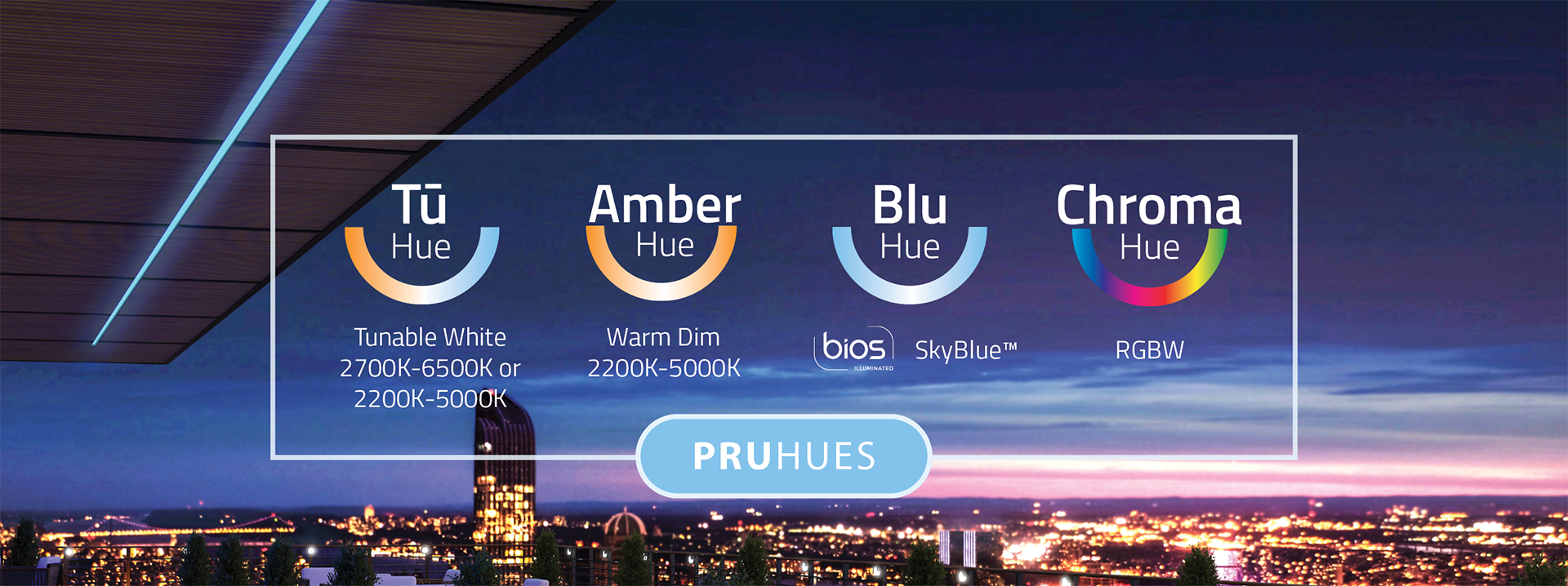
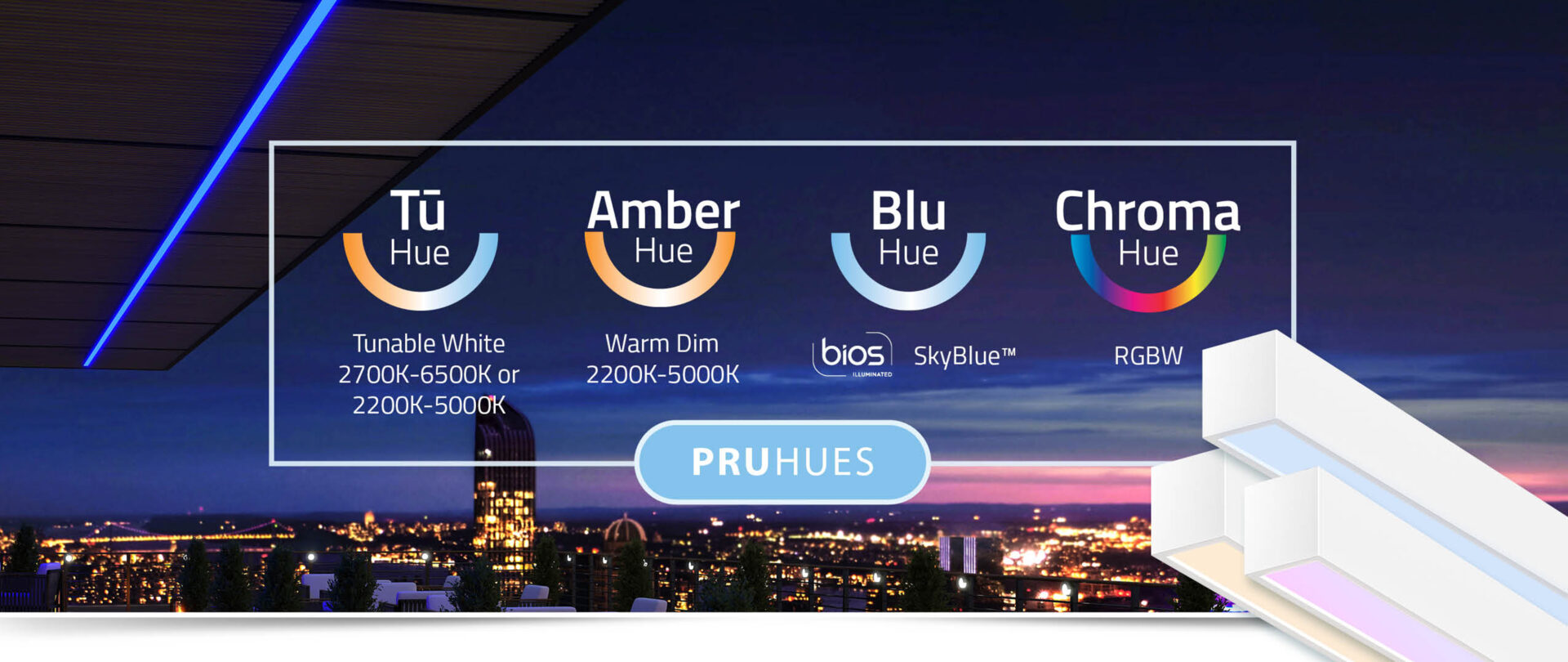
Lighting today does more than illuminate—it shapes how people feel and function within a space. BionicProMini2 X+Y delivers advanced light quality and control with:

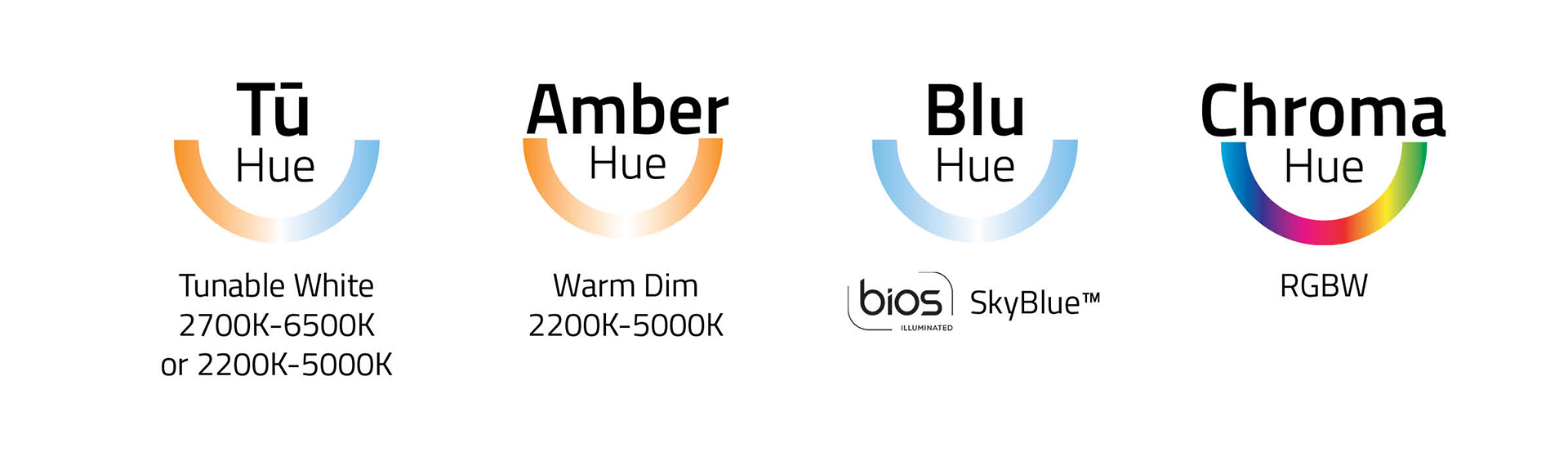
  • RGBW ChromaHue™ for dynamic, expressive color environments

  • Tunable White TuHue™ for precise control across the white spectrum

  • BIOS SkyBlue™ BluHue™ for circadian-supportive illumination

From productivity to ambiance, lighting becomes an experience.


Built with Purpose.

BionicProMini2 X+Y are Declare-labeled and BABAA-compliant, supporting your projects with transparency, sustainability, and U.S.-sourced integrity.


A New Perspective on Light.

With bold geometry, refined finishes, and advanced performance, BionicProMini2 X+Y don’t just light a space—they define it.

Pru1 Goes Vertical—Introducing the Cylinders

November 11, 2025

The iconic Pru1 family is expanding—now in a vertical expression that brings the same precision performance and timeless elegance you know and love, reimagined in a sleek cylindrical form.

A Seamless Evolution

Meet the new Pru1 Cylinders, designed to complement the Pru1 Linear series. Available in three sizes—6⅜˝, 13˝, and 21¾˝—these accent luminaires extend the Pru1 aesthetic from horizontal to vertical applications, creating a cohesive visual language across any space.

Form Meets Function

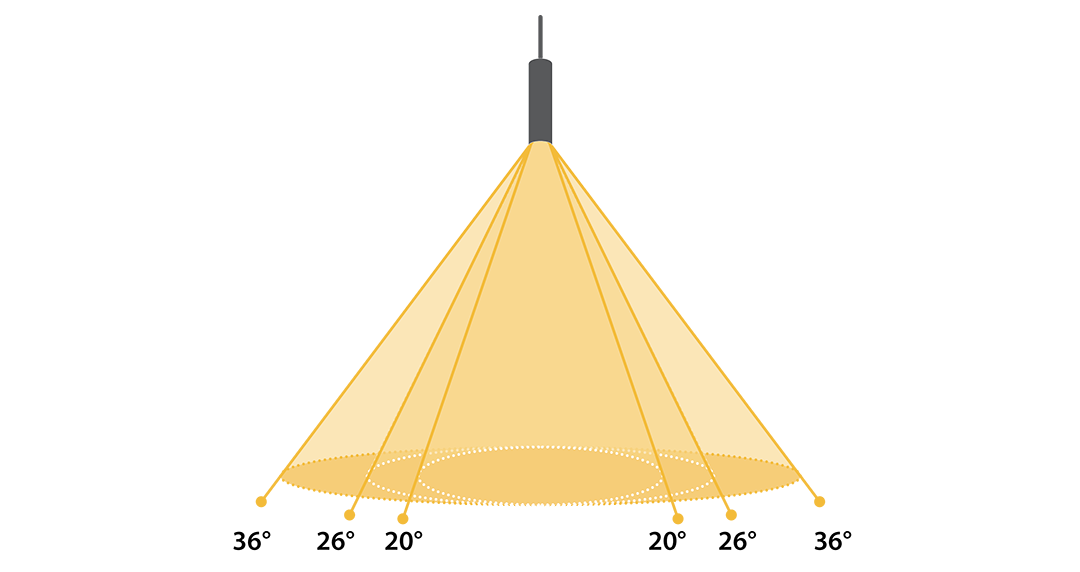
Each cylinder delivers performance-driven illumination with three beam angles—20°, 26°, and 36°—so light is shaped exactly where it’s needed. Optional louvers and soft lenses provide added glare control and balanced diffusion, ensuring comfort and visual harmony in every environment.


Design in Every Detail

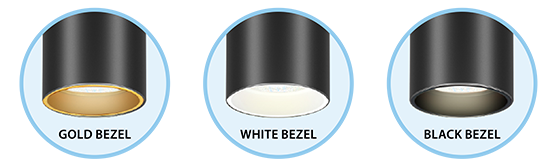
Choose from sleek black or white housings with gold, white, or black bezels—every detail crafted for a flawless, refined finish. The result: a statement piece that’s both understated and sophisticated.

Perfect Pairing: Pru1 Linear

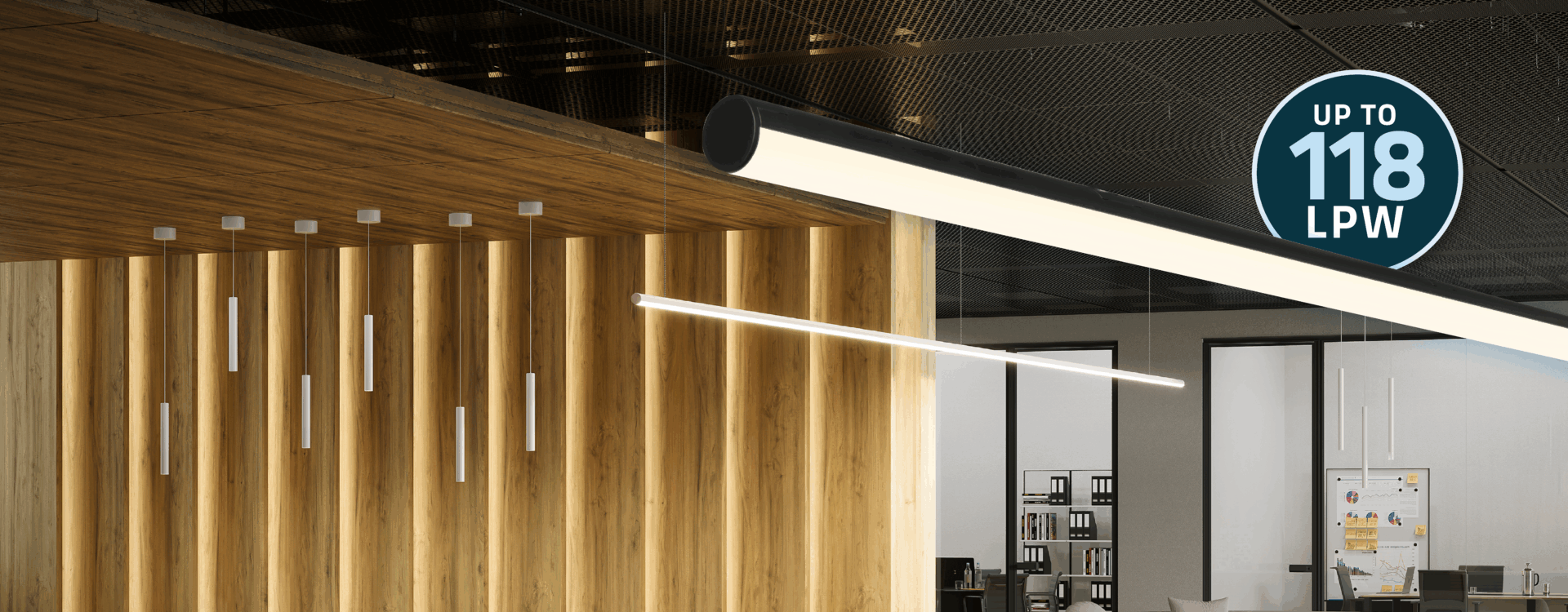
Together, Pru1 Cylinders and Pru1 Linear create a unified lighting system — horizontal and vertical, working in harmony.

The Pru1 Linear features a 1.5˝ diameter with Direct/Indirect, Direct, Indirect, and Asymmetric distributions, plus specialized Ceiling Wash and Flat + Focal Glow Wall Washes for architectural precision.

With Power-over-Aircraft cable (no visible cord) and nearly invisible ½˝ T-bar hardware, every detail supports the minimalist, modern aesthetic designers expect from the Pru1 family.

The Pru1 Cylinders take Pru1’s clean geometry and elevate it — literally. Designed for both performance and elegance, they bring a fresh vertical dimension to the Pru1 story, offering designers a new way to build cohesion across ceilings, walls, and open spaces.

New Finishes for New Possibilities!!!

September 16, 2025

BionicPro’s engineering excellence now comes wrapped in a curated palette of Architectural Laminates—designed to integrate lighting with surrounding materials and elevate the fixture to a design element in its own right:

Pair these laminates with 20 Premium Colors—delivered fast, with no set-up fees—including three new luxe metallics: Copper Penny, Gold Nugget, and Bronze.


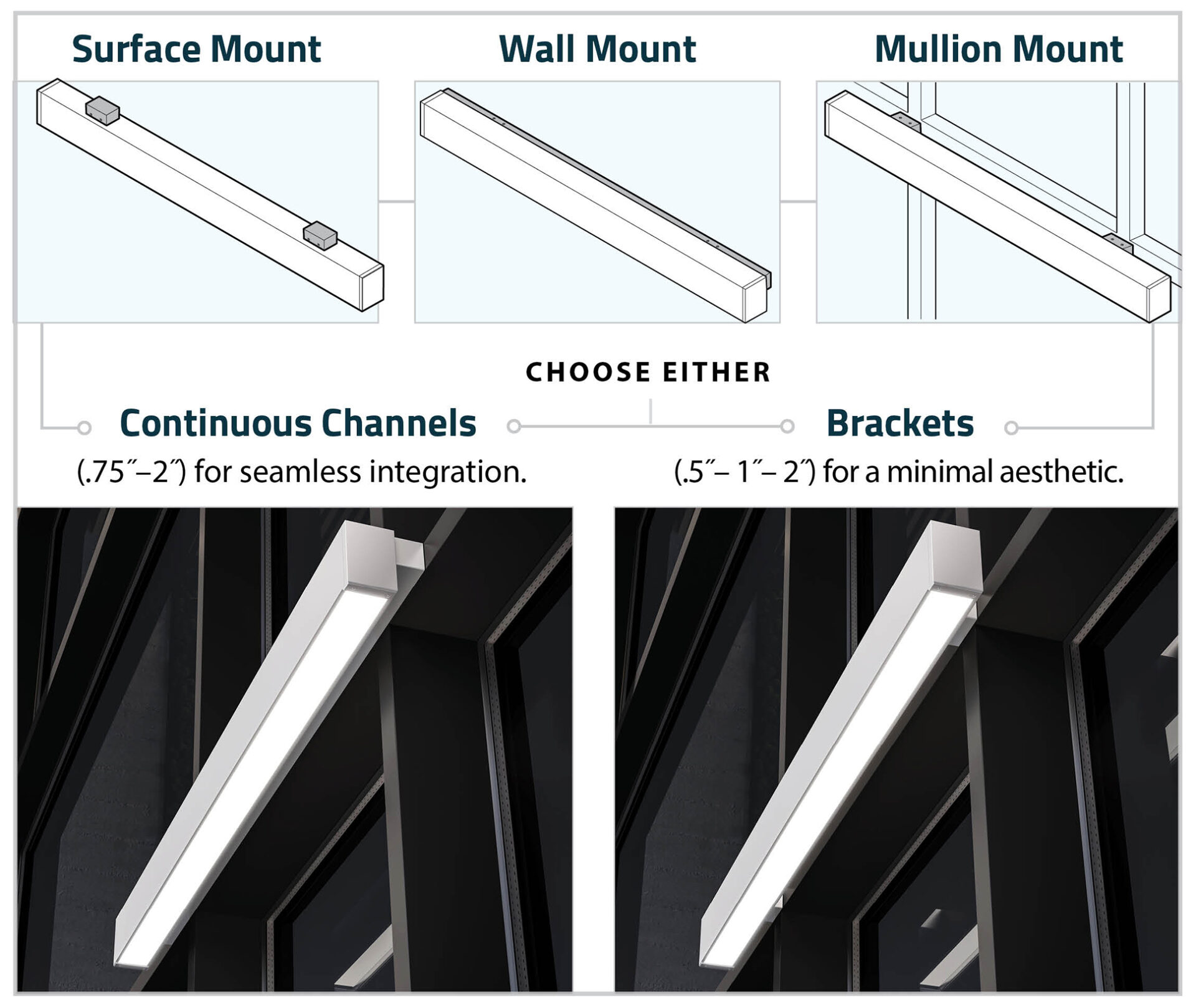
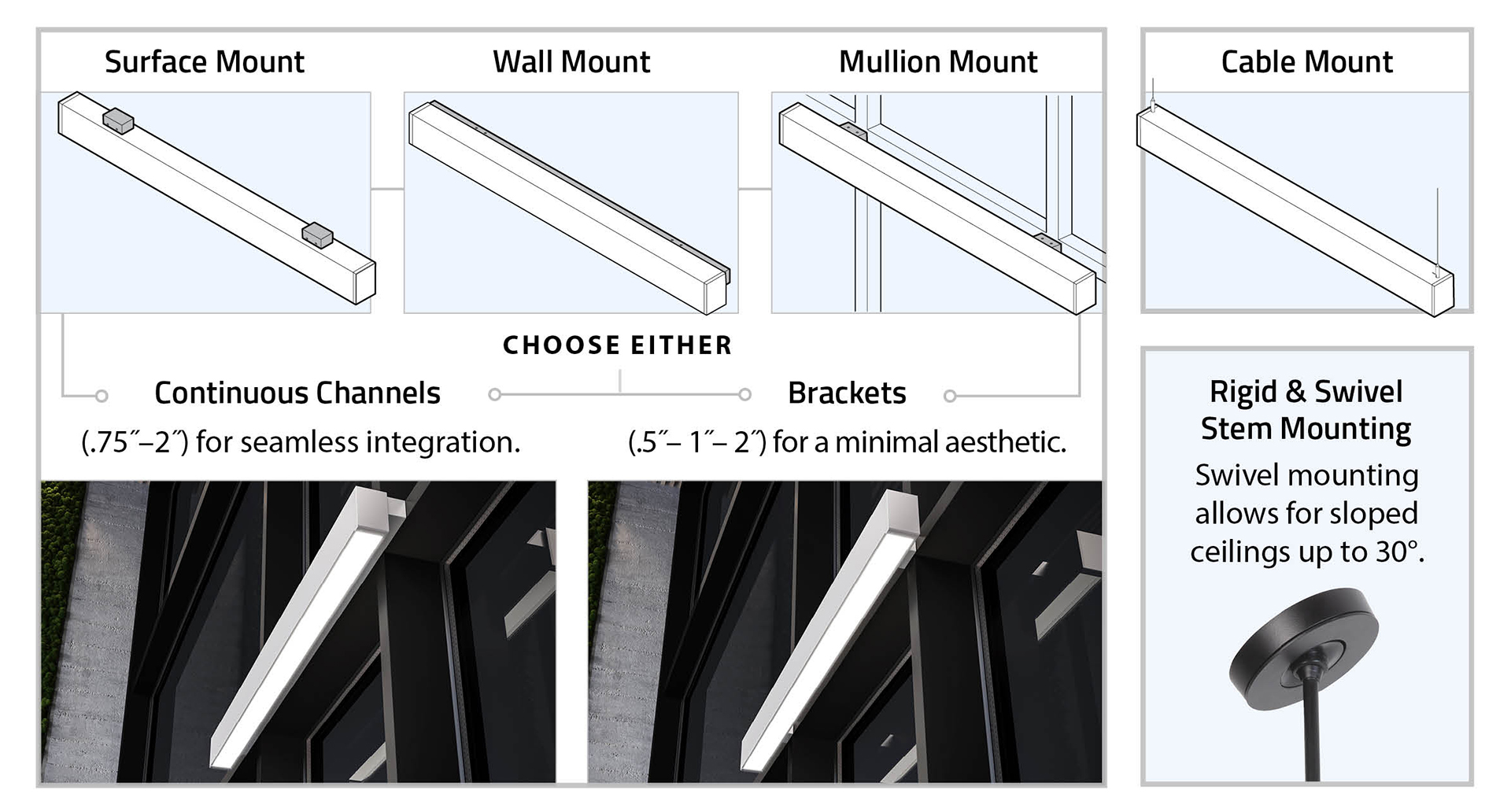
Flexible Mounting Options

Every space demands its own approach. That’s why BionicPro now offers more ways to integrate light seamlessly into the built environment:

CONTINUOUS CHANNELS—

Maximum flexibility, mount anywhere.
Channels let you place mounts and feeds anywhere—ceiling or wall—drilled on-site.

  • .75˝ Channel standoff—for seamless integration
    Designed for SOOW cord (8´, 6-conductor)
  • 2˝ Channel standoff—for a minimal aesthetic
    Accommodates liquid-tight flex with sealed connectors (6´, 6-conductor)
BRACKETS—

A clean install, two flexible options.

  • Standard Spacing
    Pre-installed at our typical dimensions
  • Custom on-center spacing
    Just send us your dimensions, and we’ll handle the rest. Bracket cleats are factory-installed to match your spec


TruBeam™ Optical Innovation

At the heart of BionicPro is future-forward optical engineering. With TruBeam™ lens-centric optics, designers gain precision control and breakthrough performance—all through the lens alone. Swap a lens, shape the light:


Beyond White Light

Lighting today goes beyond illumination—it influences wellness and experience. That’s why BionicPro delivers advanced light quality and control with:

  • RGBW ChromaHue™ for dynamic color environments
  • Tunable White TuHue™ for adaptable tones across the spectrum
  • BIOS SkyBlue™ BluHue™ for circadian-friendly illumination


The New Standard in Architectural Linear Lighting

BionicPro Linear isn’t just a product evolution—it’s a new generation of lighting. Seamless design, unmatched optical versatility, rich material finishes, and sustainability at its core. It’s not about what linear light was. It’s about what it can be.


Continuous just got even more continuous!

September 4, 2025

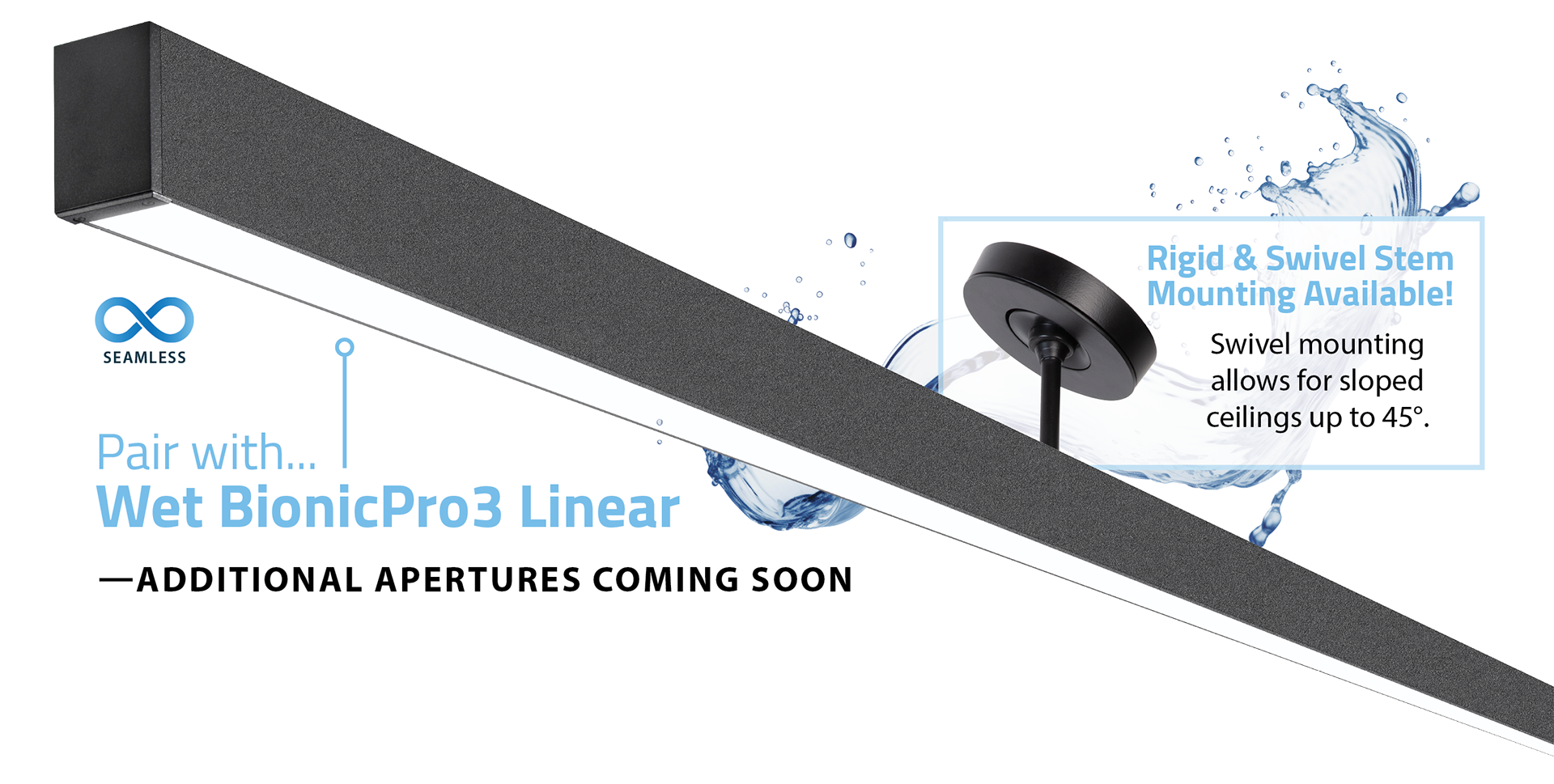
Imagine crafting a breathtaking ambiance where the lighting disappears into the architecture, leaving only clean, flawless illumination. The new Wet BionicPro3 Recessed Linear redefines outdoor lighting, combining performance, durability, and design freedom in one uncompromising fixture.

Seamless Aesthetic, Inside and Out

No door frames. No broken lines of light. Just uninterrupted illumination that blends effortlessly into walls and ceilings—indoors or out. With a fully gasketed lens, every fixture is protected from the elements—not just the LED array.

Engineered for the Outdoors

Built to thrive in demanding environments, Wet BionicPro3 Recessed Linear holds:

  • IP65 rating for continuous runs and beautifully seamless rows
  • IP66 rating for individual fixtures
  • IK08 impact protection for peace of mind in high-traffic spaces
  • Extended -30˚ to 50˚ C temperature range for year-round performance
  • Total dust ingress protection and resistance to high-pressure water jets

Unmatched Lighting Distributions

With precision optics, Wet BionicPro3 Recessed Linear offers designers the flexibility to shape environments with intention:

Light That Does More

Wet BionicPro3 Recessed Linear isn’t limited to white light—it expands your design palette with: RGBW ChromaHue for vivid, expressive color, Tunable White TuHue for customizable tones, and BIOS SkyBlue™ BluHue for human-centric, wellness-focused light.

Sustainability & Compliance

Like every product we make, Wet BionicPro3 Recessed Linear reflects our commitment to responsible manufacturing. It is both BABAA-compliant and DECLARE-labeled, ensuring transparency, integrity, and Made-in-USA quality.

Light the Outdoors, Your Way

With the Wet BionicPro3 Recessed Linear, the possibilities for continuous, seamless, and resilient outdoor lighting expand dramatically—giving architects and lighting designers the freedom to integrate performance and beauty in any environment.


Introducing the BionicPro2 Mini: Small but Seriously Powerful

August 4, 2025

Say hello to the newest member of our best-selling family—the BionicPro2 Mini. Engineered for precision and designed for flexibility, this compact powerhouse is now available in 2” Remote Driver and 3” Integral Driver heights, bringing seamless light and standout performance to even the most space-conscious designs.

Finishes That Go Beyond

BionicPro2 Mini steps up in style with new architectural laminates—including oak, walnut, leather, and gold. Paired with 20 premium powder coat colors, including 3 NEW luxe metallics, it’s made to blend in or stand out.

Hold up—did someone say shimmer?—Say Hello to our New Luxe Metallics!

Distributions That Do More.

Whether you’re lighting a corridor, washing a wall, or filling a space with ambient glow, the BionicPro2 Mini delivers. With a full suite of high-performing distributions—batwing, wall wash, graze, and room fill—plus enhanced efficacies, this fixture isn’t just small, it’s smart.

Mounting That Adapts.

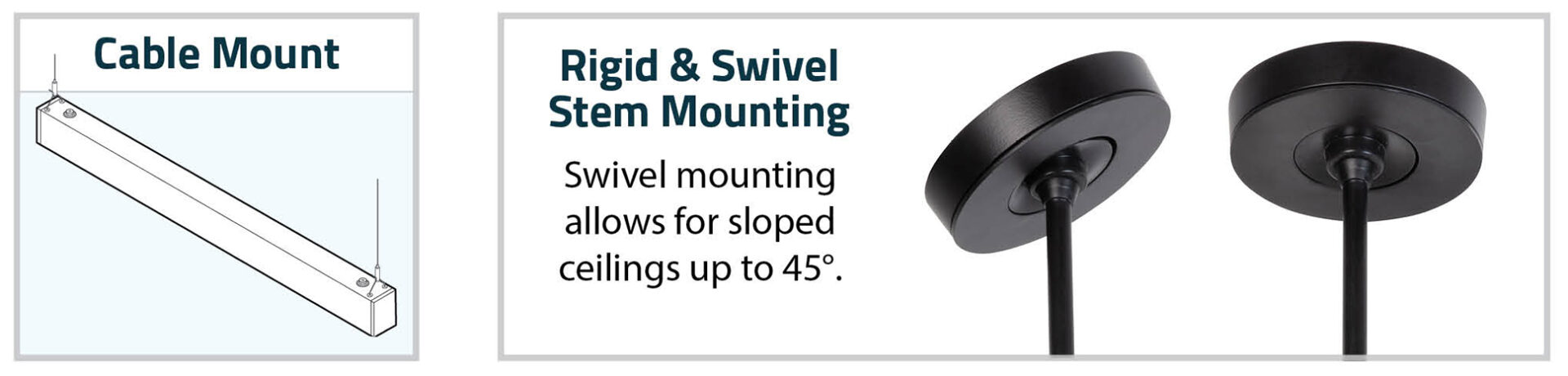
Designed to be as versatile as your vision, the BionicPro2 Mini now offers expanded mounting options, including stem and wall bracket channels perfect for mullion mounting. Clean installs. Endless possibilities.

Built with Purpose.

The BionicPro2 Mini is proudly Declare-labeled and BABAA-compliant, supporting your projects with transparency, sustainability, and U.S.-sourced integrity.

Small form. Big performance. The BionicPro2 Mini is everything you love about BionicPro—just more compact, more flexible, and now more stylish than ever.

Lighting That Stands the Test of Time!

June 24, 2025

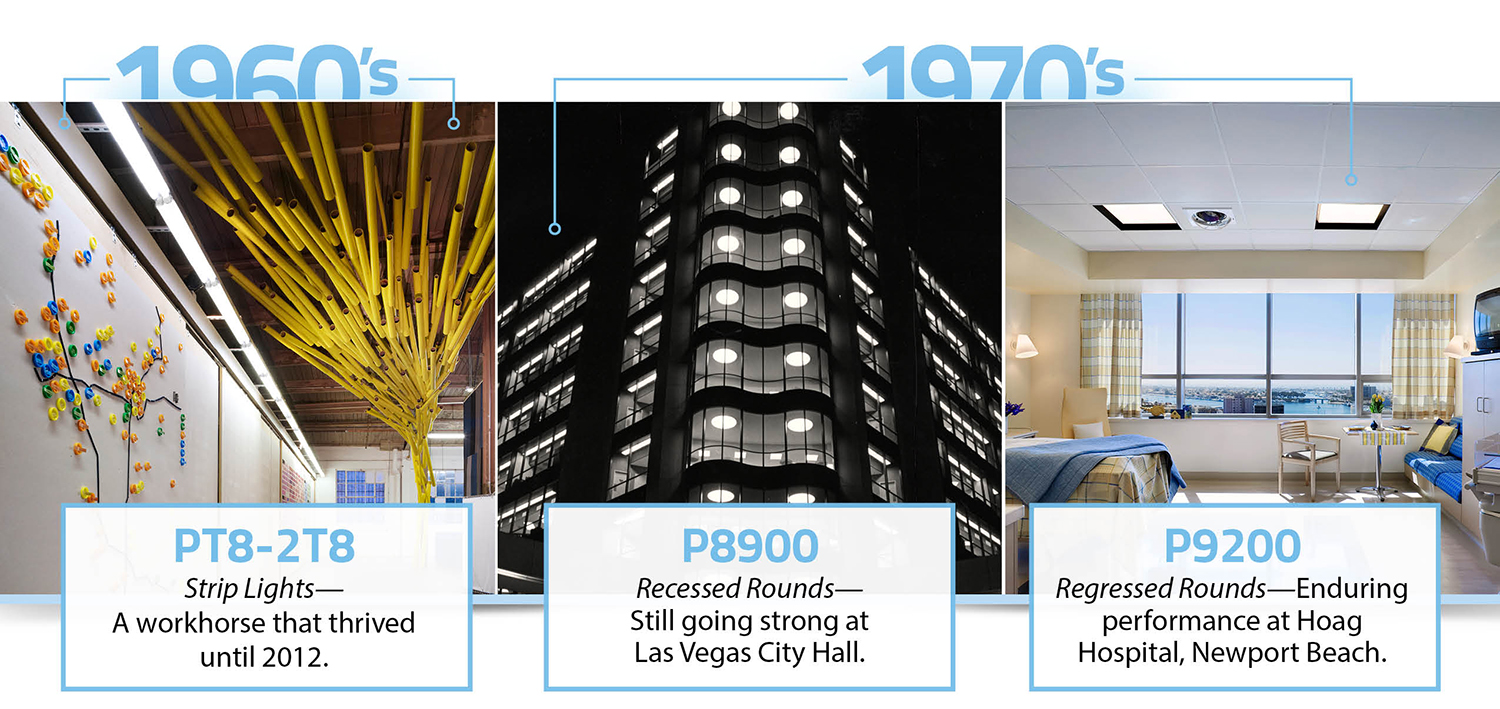
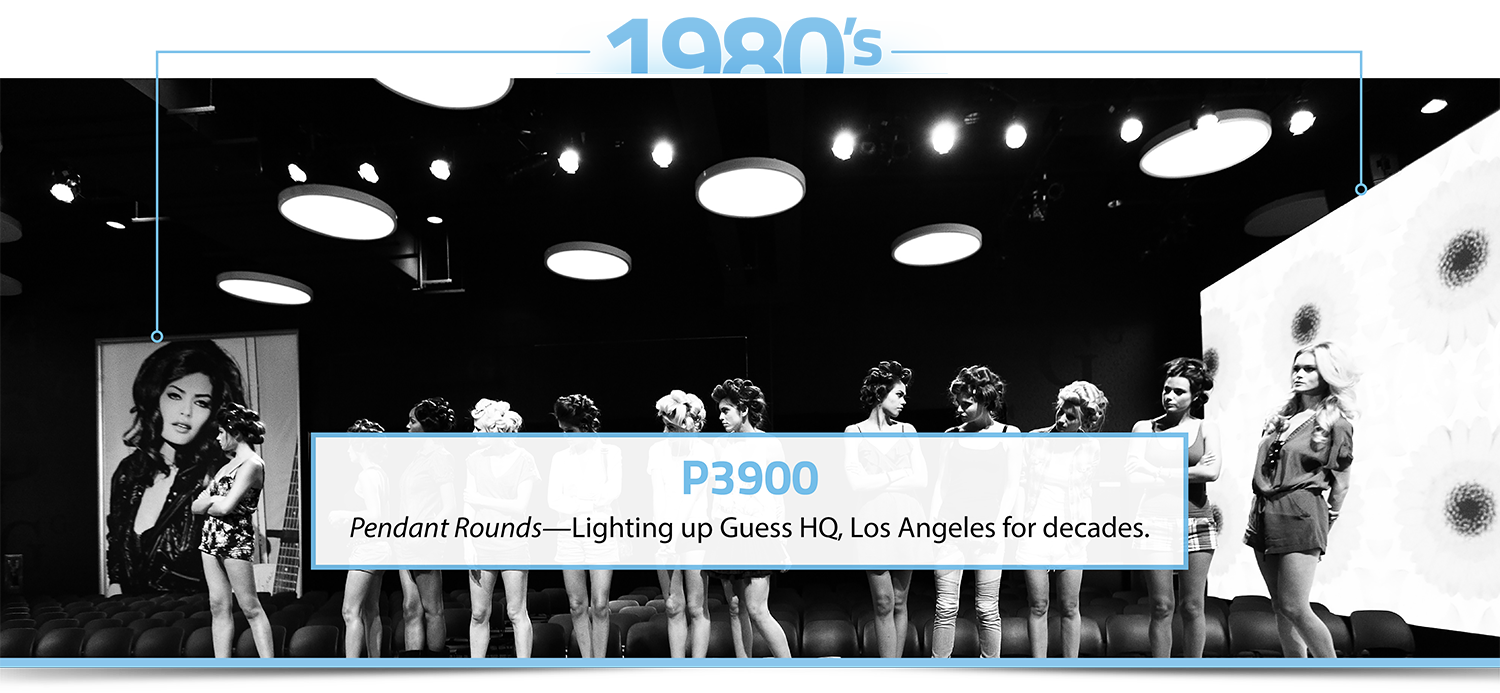
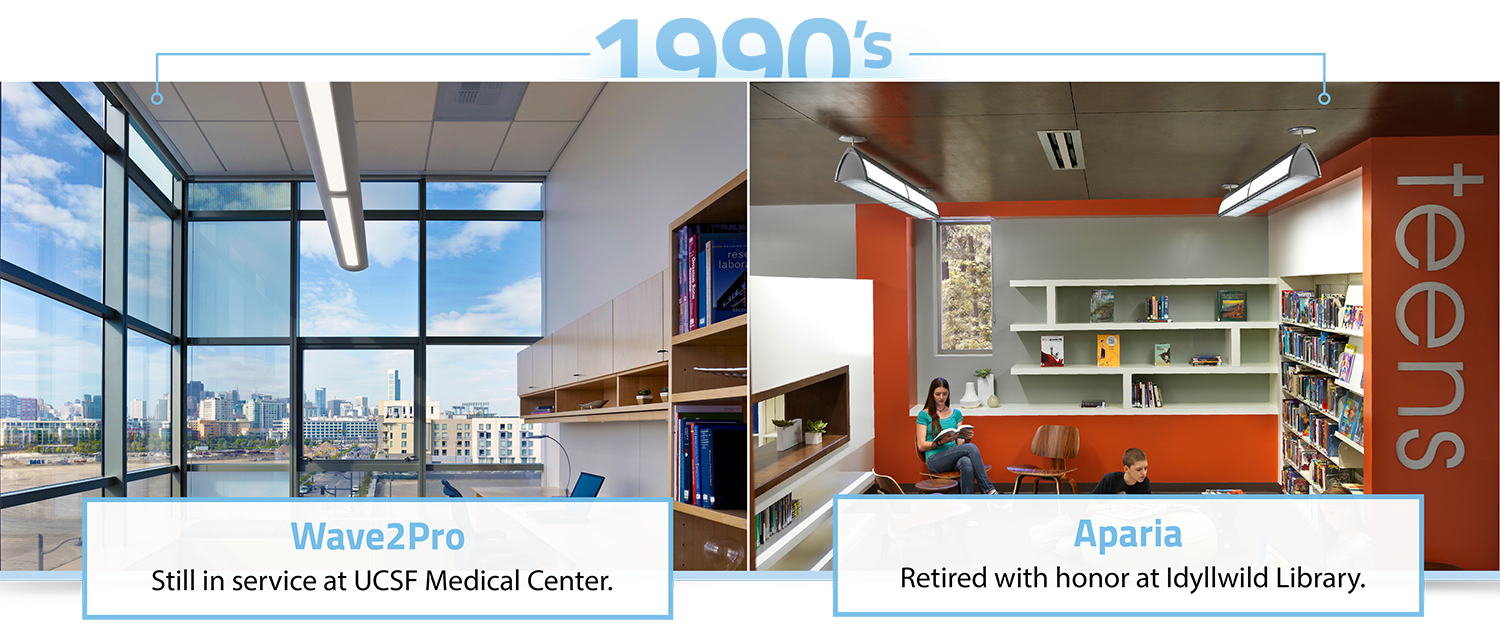
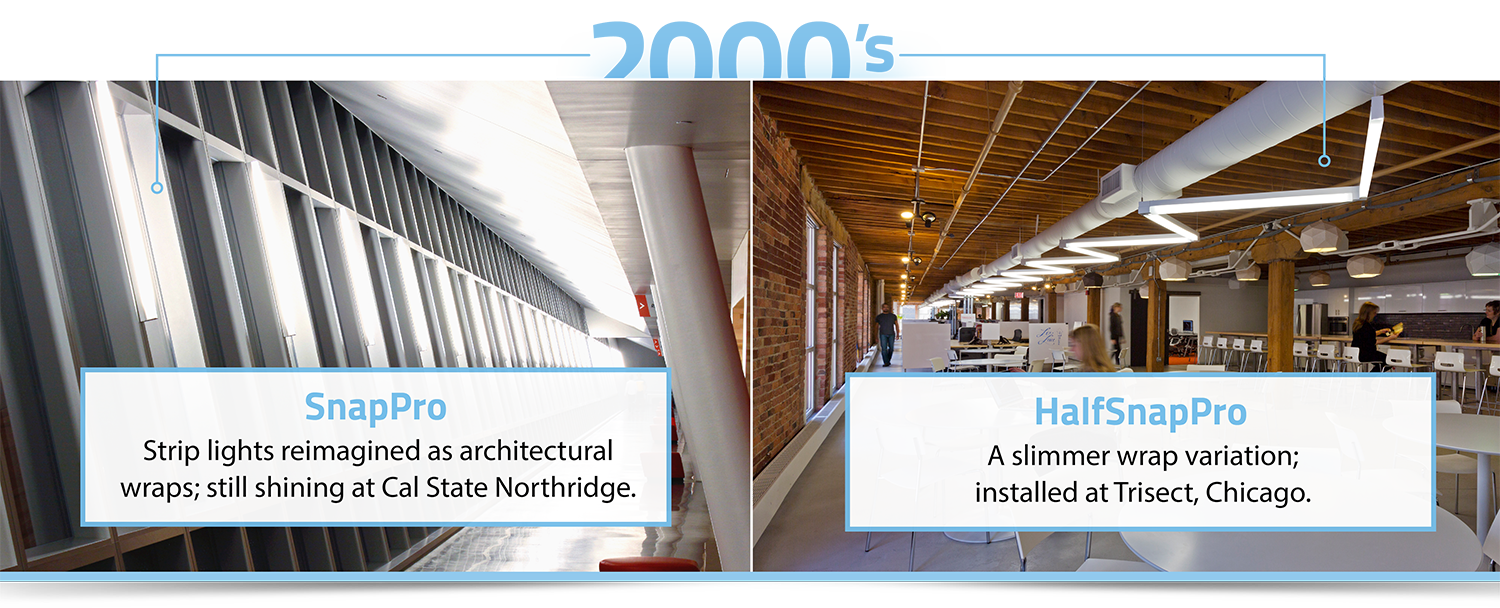
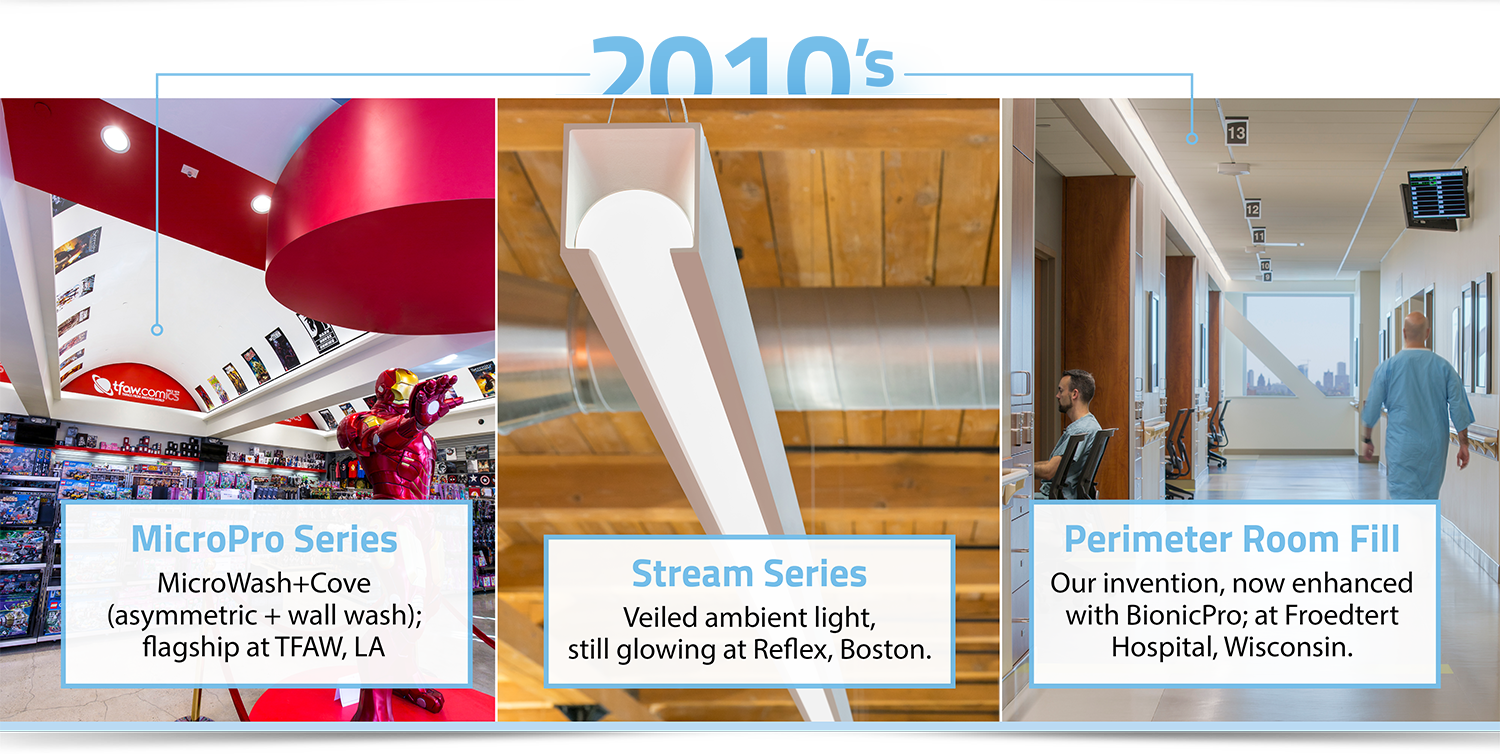
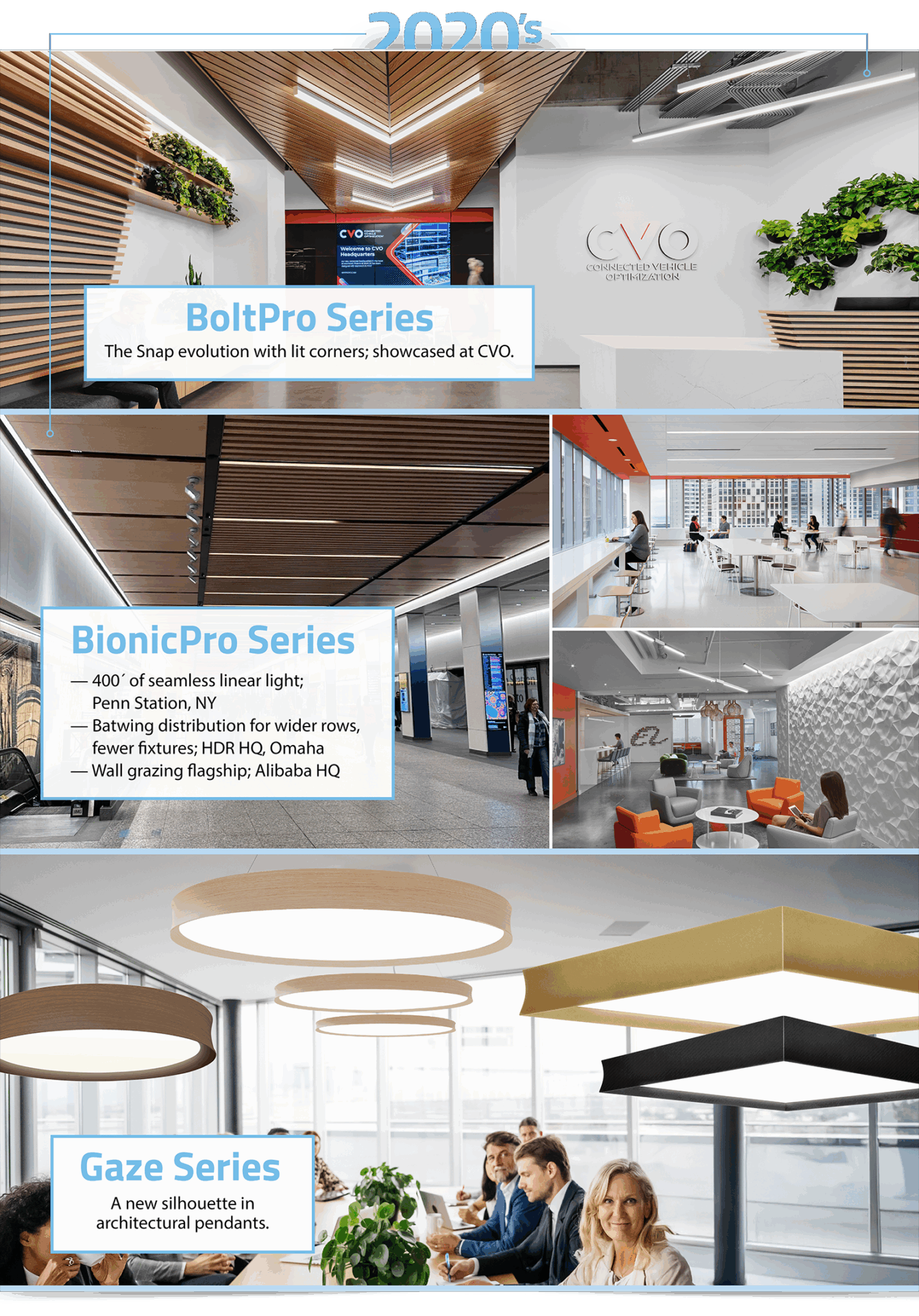
This year, we’re celebrating a milestone—70 years of lighting design, engineering, and evolution. From our earliest strip lights to today’s advanced architectural systems, our fixtures have not only stood the test of time—they’ve helped define it.

We’re proud to reflect on the products that shaped our journey and continue to illuminate some of the most iconic spaces across the country.

PT8-2T8 Strip Light A classic workhorse, the PT8 lit spaces reliably for over 50 years—retiring only in 2012. Proof that performance and durability never go out of style


Aparia Linear. Retired from Idyllwild Library, but remembered as a trailblazer in linear form.

SnapPro Series. Our architectural wrap revolution—debuted at Cal State Northridge and still a go-to today.

What’s Next?

Innovation doesn’t pause at 70. We continue to explore new materials, smarter systems, and seamless aesthetics—carrying our legacy forward while lighting the path ahead.


Gwen Grossman—From Catwalk to Chicago

May 14, 2025

Gwen Grossman’s passion for lighting design was sparked at a young age, when she first encountered the transformative power of theatrical lighting. This early fascination laid the foundation for a dynamic career—one that took her through top-tier universities specializing in theatrical design, up the ranks of the industry, and ultimately to founding her own firm, Gwen Grossman Lighting Design, based in Chicago.

Gwen leads a talented and collaborative team, guiding a wide range of projects with creativity and precision. Her ideal work blends architectural lighting, hospitality design, and a touch of theatricality—creating environments that are both visually compelling and deeply human-centric. At the heart of her practice is a commitment to mentorship and education, as she actively nurtures the next generation of lighting designers.

How did you get into lighting design? What drew you to it, and what was your path to where you are now?
I fell in love with theatrical lighting when I was 13 years old, standing on a catwalk above the stage—it was magic. Throughout high school, I immersed myself in lighting, theater, and art. I went on to specialize in lighting at the University of Cincinnati, and after graduation, I returned to Chicago to work for a few years before heading to San Diego to pursue my MFA in lighting design at UC San Diego.

After grad school, I moved to New York and began working in theatrical lighting. It was exciting but incredibly demanding—I started to wonder if there was a more balanced path. That curiosity led me to start reaching out to architecture firms. Eventually, I landed some freelance work. I didn’t know much about architectural lighting fixtures at the time, but I knew how to draw and tell a story with light. I was hired by Focus Lighting as an architectural lighting designer. It was a humbling transition—going from top-level theatrical work to an assistant role in architecture—but it was the right move. I learned so much and spent four formative years there.

Eventually, I returned to Chicago and joined a local firm until the recession hit. At that point, I took a leap and started my own practice—Gwen Grossman Lighting Design—which is now proudly celebrating its 15th anniversary!

How would you describe your design process?
In theater and film, everything begins with the director’s vision—and architectural lighting design follows a similar philosophy. In our world, the architect sets the tone, and our role is to support and enhance that vision. I always start by building personal relationships with the architect and interior designers. Before diving into tools or technical details, I focus on understanding the emotional and experiential goals for the space—what they truly want people to feel.

Lighting should never be the star of the show—it’s part of a larger collaboration. It’s like dining at a great restaurant: the food, service, lighting, music, and tableware all work together to create a memorable experience. Lighting plays a crucial role, but it has to harmonize with every other element.

Our job is to deeply understand the vision and bring thoughtful options to the table. Budget is always a factor, so we balance creativity with practicality. After initial conversations, we begin developing sketches, renderings, and models—while keeping the technical aspects largely behind the scenes. Over time, you learn when to advocate for something that will truly elevate the project, and when it’s okay to let something go. That’s part of the art of collaboration.

What are the biggest challenges?
Tariffs have definitely been a challenge, but budget is almost always one of the biggest hurdles we face. Beyond that, the business side—especially branding, marketing, and social media—adds another layer of complexity. There are so many lighting design firms out there now, so it’s essential that we continually use these tools to differentiate ourselves and demonstrate the value we bring to a project.

What would you say is your primary differentiator?
Our team is the strongest it’s ever been, and one of our biggest differentiators is how intentionally we stay aligned with our vision. We revisit our mission and values every week, which keeps us grounded and united. Mentorship is also a core part of our culture—my mother was a teacher, and I’ve always believed in the importance of passing down knowledge.

At the same time, my team is constantly teaching me new things. That spirit of mutual learning and support really shines through in client meetings; people notice the collaboration and respect we have for one another.

What are your must-haves or non-negotiables in lighting fixtures?
For me, vertical surface lighting is a must—whether it’s perimeter lighting, wall washes, or linear fixtures alongside walls. Our whole team is passionate about minimizing overhead lighting in favor of a softer, more ambient effect. It creates a more inviting and human-centered atmosphere, which is at the core of our design philosophy.

What do you look for in terms of hiring for your team?
Of course, talent is important—but just as critical is being a true team player and leaving ego at the door. At GGLD, we all wear many hats. I may steer the ship, but I’m just as involved in selecting fixtures and pulling inspiration images. I look for people who can see the big picture, connect well with clients, and contribute to a collaborative environment. You can be a brilliant artist, but if you struggle to communicate, that creates challenges. Ultimately, I want each team member to feel supported and have the space to truly flourish in their role.

What would be your ultimate dream project?
For me, the dream project isn’t just about the space—it’s about the people I get to work with. My roots are in hospitality, and thanks to my theatrical background, I’m especially drawn to restaurants. They feel the most like theater: the curtain goes up whether you’re ready or not, and it’s full of energy, emotion, and intensity—a live performance every night.

I also have a real love for educational projects. Our work at Columbia College is a great example. The budget wasn’t huge, but it still feels relevant eight years later. I’ve even gone back twice to speak with students about the design process, which was incredibly meaningful. Another favorite is Malcolm X College—I still reflect on that project and feel proud of the choices we made.

And of course, I have to mention the corporate interiors we’ve done over the years. Some of them are so beautiful and thoughtfully designed, I’ve joked that I could move right in—just give me a bed!

What are you most excited about related to what’s currently happening in lighting trends and innovation, or what’s on the horizon?
Lighting controls have evolved tremendously over the three decades I’ve been in the industry—it can be hard to keep up! But that’s also what makes it so exciting. From voice-activated systems to sensor technology that can track foot traffic in retail environments, the possibilities keep expanding. With all of these innovations, I think it’s more important than ever to have a lighting designer on board. My hope is that people begin to see lighting design not as a luxury, but as a necessity. Between wellness considerations, energy codes, and increasingly complex technologies, it’s simply too much to navigate without a dedicated expert.

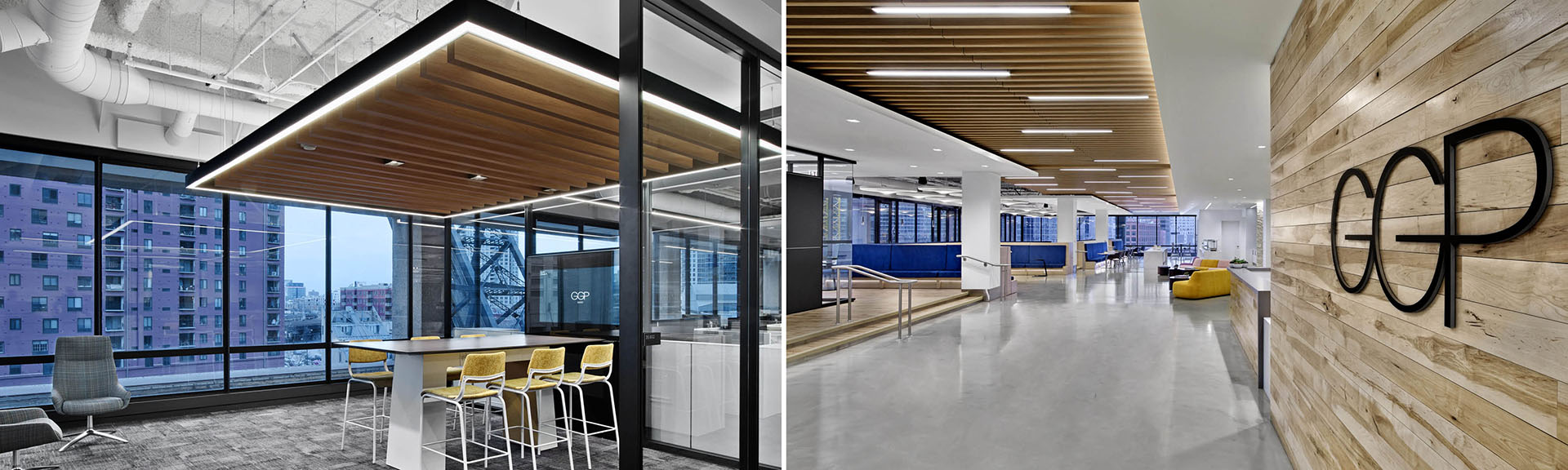
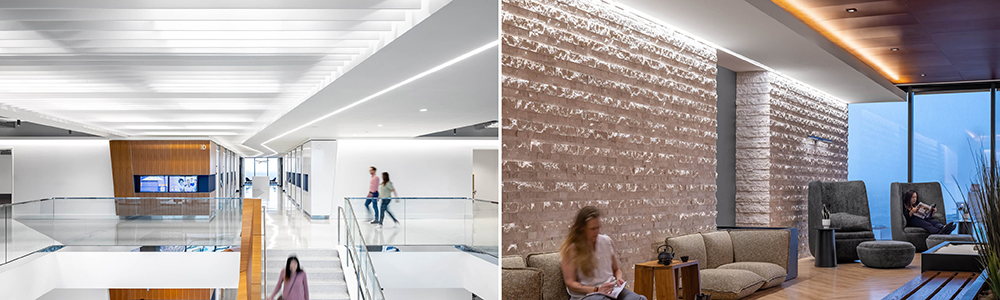
PROJECT BY GWEN GROSSMAN
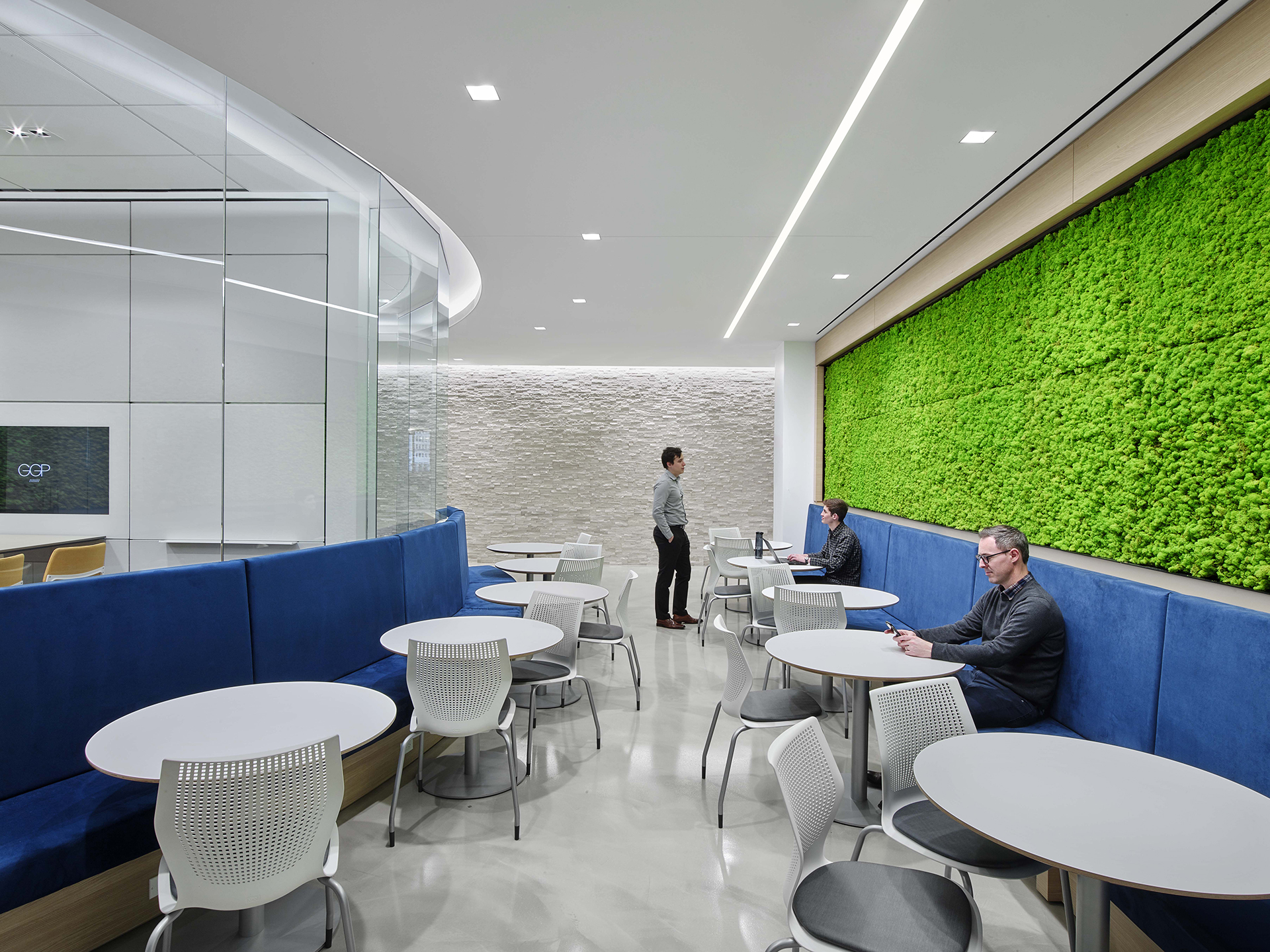
GGP, Chicago
Scott Hatton—Engineering Meets Imagination

Co-founder and Principal of Oculus Light Studio, Scott Hatton enjoys the lighting design process for the value it brings to each space. With over 20 years of experience, he has developed many award-winning projects by working in close collaboration with architects, interior designers and owners to create unique visual environments. Scott upholds the philosophy that even though lighting is a small portion of a project, overall it provides the most significant impact. He is also dedicated to mentoring the next generation of design professionals, expanding a lighting studio practice that allows for innovation in both the science and art of light as a powerful way to shape architecture.

How did you get into lighting design? What drew you to it, and what was your path to where you are now?
Nobody knows it’s a job – that’s the problem. You stumble your way into it. In high school, I had a really good drafting class, which led to my interest in architecture. Then at Boulder, I was in the architectural engineering program, which is really strong in all the building systems (mechanical/plumbing/structural) – but there’s also a program just for lighting. Early in the course, I was introduced to one of the lighting trade publications, and was like, “Wow, that sounds cool!” I didn’t like how dry the rest of engineering was. I wanted something where you could wear a creative hat as well. Then I interned in San Francisco with HLB, one of the first firms to do lighting when it started to emerge as a profession. You get sucked in and never seem to get out, haha.

How would you describe your design process?
Anything creative is always a bit of a mystery. There are infinite possibilities, but at some point it has to be drawn and documented. We generally start with the architects and interior designers, trying to shake out the thematic elements that give us reasons to pick one direction or the other. We land on a defining set of goals that inform how the lighting will complement the design, architecture and landscape. We take into account the need for specific tasks and code requirements, then provide a few different ways to think about it, and collaborate to land on a direction. Sometimes we get there really fast, and sometimes it takes awhile. From there, we work on getting it built and realized.

What are the biggest challenges?
Budget is always a challenge—to take a great concept the client bought, but make it work within the cost parameters. Another challenge is how to get clients to understand the value of lighting. Lighting is a relatively small cost on a big project, but has a huge impact. It can be difficult to get everyone to realize that. We constantly communicate the value message throughout the process – why certain things cost more, why it’s worth it, and how it’s a small cost to make this amazing building become all it should be.

What would you say is your primary differentiator?
I would describe us (Oculus) as a third-gen lighting design firm. In the 60s and 70s, theater designers moved into architecture and became the first generation of lighting designers. We learned from those pioneers. We quickly realized once we take the design beret and cape off, the contractor hat has to go on to make sure the concept gets realized. Our nitty-gritty, pragmatic approach to helping it get done has gained us traction. And the process we use communicates value well.

What are your must-haves or non-negotiables in lighting fixtures?
Fixtures aren’t the primary driver, the concept is. So we source whatever it takes to achieve that. But lights also have to perform – even decorative fixtures. You need quality light coming out of them. That’s why we often rely on Prudential. We’ve even visited the manufacturing facility and showroom. Like with farm-to-table dining, we want to know how the chickens are being raised, haha.

What do you look for in terms of hiring for your team?
As founders, we’ve worked places where we liked the projects but it was a chaotic environment. We’ve tried to make a sandbox people are happy playing in, with lots of freedom to solve the way they see fit. We guide because it helps to have that brain trust to review the overall concept so you don’t get off track or lost in one detail. We look for people with good design sensibility, but we also want to see how well can they describe what’s they’ve created. If you can’t communicate clearly, clients can’t see the value. What we do is esoteric, so you have to be able to make clients understand and want it. As we bring designers into client meetings, we typically serve as the color guy, with the designer doing more of the play-by-play on the technical aspect. They gradually move into the color commentary role by observing how we frame the story to get the value message across.

What would be your ultimate dream project?
Maybe a hospitality resort on the moon? We do a lot of themed entertainment, but I’d love to do something that doesn’t exist. That said, we’ve found that anything can be enjoyable if the team is great to work with. Even if the project is straightforward, it’s still fun if the collaboration is good, and the team chemistry works.

What are you most excited about related to what’s currently happening in lighting trends and innovation, or what’s on the horizon?
I’d say color. It’s really limited now – you specify color temperature. But I’m excited about the ability to shift warm to cool at nominal cost, and would like to get to the point where you don’t even specify – just show up onsite and adjust or control.

On the rendering side, I’d love to see the ease with which you can make digital rendering be like Tom Cruise’s suite in Minority Report. I’d be wearing this cool suit, and we’d wave a magic wand and render onsite, inviting clients in and showing them changes on the spot.

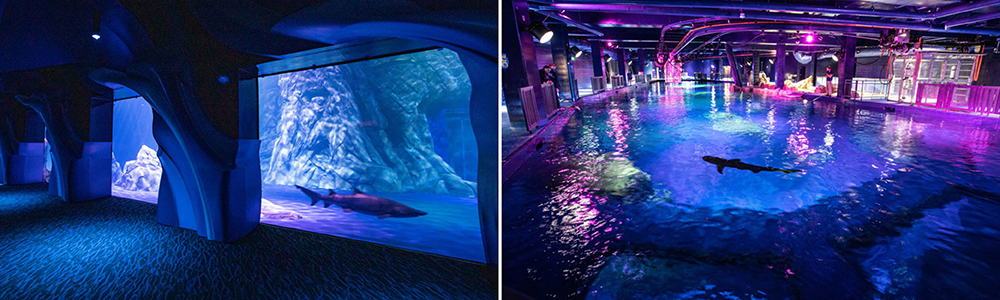
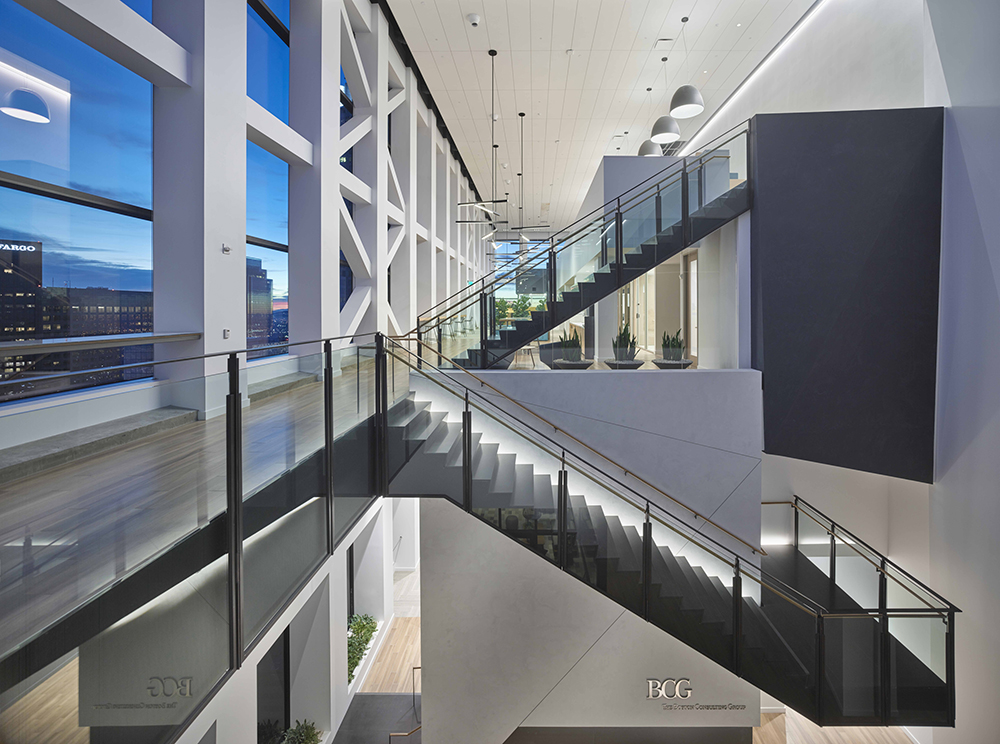
PROJECTS BY SCOTT HATTON

Georgia Aquarium Expansion


Boston Consulting Group


Patrick Mihalik—Bridging Theater and Architecture

Patrick Mihalik is an Architectural Lighting Designer who enhances spaces through light. He helps manage projects, set client expectations, and applies his industry knowledge to bring designs to life. He loves the flexibility of his firm and the diversity of its projects. Patrick believes in being honest and managing expectations—while always finding ways to support and elevate the architect’s vision.

How did you get into lighting design? What drew you to it, and what was your path to where you are now?
In college, I majored in architecture and minored in theatrical lighting design. Even while I was pursuing both, it never dawned on me that I could combine the two, until I moved to Atlanta for my first job. I was originally hired for theatrical lighting, then someone asked if I’d do lighting design – and now it’s been 19 years! Funny how I never thought of it as an actual profession until it was brought to my attention.

How would you describe your design process?
I start with how the space will be experienced, then explore products that achieve that. Lighting starts as part of a larger conversation, then gets more granular – whether it’s highlighting certain walls or grazing walls or downlighting or general lighting. We first try to capture the look, then decide which products would be the best fit.

We talk about what the architect is envisioning, then I bring up suggestions of things they may want to light. It’s often related to lighting that brings out the architecture more and highlights various features. Vertical planes aren’t always top of mind for architects – that’s where we step in. By addressing those surfaces, we add value and help elevate the overall design.

What are the biggest challenges?
We’re often working to meet a tight lighting budget. It seems like every project is value engineered so realistic budgets aren’t always established up front. Typically, architects create renderings to share their vision with the client before we’re brought into the process. When we join the team, we work to find fixture solutions that stay true to those renderings. Sometimes, though, the concepts shown – while visually compelling – aren’t fully feasible from a physics or monetary standpoint. Lighting effects are added to enhance the renderings and help the client connect with the design, but once we get into the technical side, we help find ways to bring that vision to life in a practical and achievable way.

What would you say is your primary differentiator?
I have a small, but diverse and really talented team. It’s just me and two others. One has a lighting showroom background, so she’s great at decorative lighting. She’s able to help us source more affordable alternatives that achieve the look the architect is after. Our other team member is great at using several different programs to produce incredible renderings of the designs. I think those combined strengths help us differentiate. Having cross-functional teams of Engineers and Consultants here at N&B that we can bounce ideas off of in terms of placement and feasibility makes us very versatile. This often eliminates the back-and-forth of coordination with outside firms.  These combined strengths are what differentiates us in the marketplace.

What are your must-haves or non-negotiables in lighting fixtures?
For me, it’s direct/indirect linear pendants with a batwing distribution for direct, and wide distribution for indirect. Everyone makes fun of me because they know I love recessed linear fixtures with batwing. It’s my go-to. I like spacing fixtures further apart while still meeting footcandles required. For downlights, I like fixtures with Solite lens at the trim – it looks cleaner. I’m also starting to use more fixtures with low UGR, with a solid lens or micro baffle.

What do you look for in terms of hiring for your team?
I look for someone with a diverse range of knowledge in lighting, but who’s also able and willing to learn and grow. I’m all for teaching the next generation about this profession, which is ironic because when I was in school and we touched on lighting, I couldn’t have cared less. I didn’t connect with it until later. Knowing that, my team thinks it’s funny that I’m so passionate about it now.

What would be your ultimate dream project?
For me, it would be an upscale hospitality space, like a really lavish, all-inclusive compound in Japan. So if anyone’s got a project like that in the works, you know who to call.

What are you most excited about related to what’s currently happening in lighting trends and innovation, or what’s on the horizon?
That’s difficult to answer, because I feel like trend wise, we’re somewhat stuck or stagnant. LED has come a long way, but it’s still using traditional form factors. I’m not seeing many manufacturers breaking away from typical form factors of cove linear and downlight. What would that new version be? I don’t know, ha-ha. But we have this new technology, and I’d love to see it used to its full potential.

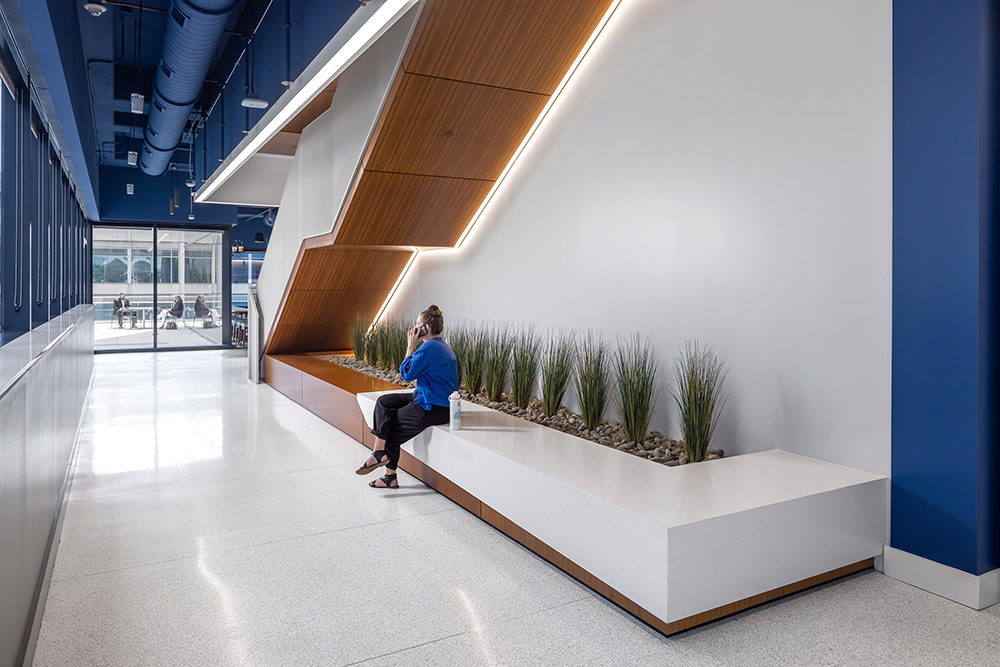
PROJECT BY PATRICK MIHALIK


Elevance Health Workplace, Atlanta GA


Teamwork makes the dream work.

March 27, 2025

Cliché, but so true. With our CEO Jeff Ellis well-regarded as a man of his word, we’re known for above-board dealings and handshake deals that reflect our people-first approach to business.

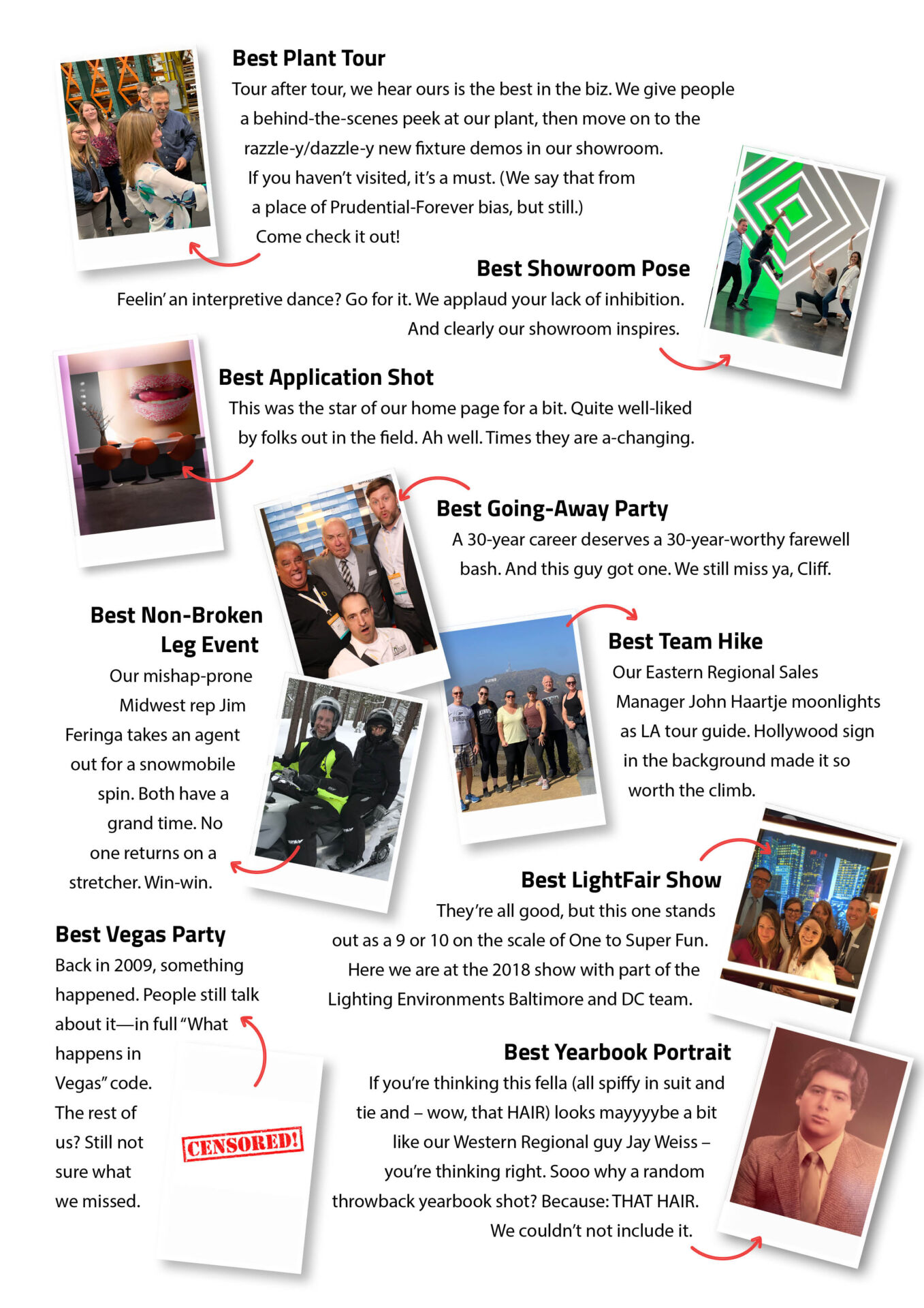
We typically pay out agent commissions even before we get paid from the contractor/distributor – which is not how that all goes down across the industry as a whole. We’ve built our long-term agent relationships on a rock-solid foundation of trust. We deeply respect their loyalty to us, and we’re ever so grateful for all the good times and belly laughs we’ve had together through the years. Here’s a random photo roundup just for kicks.