
Co-founder and Principal of Oculus Light Studio, Scott Hatton enjoys the lighting design process for the value it brings to each space. With over 20 years of experience, he has developed many award-winning projects by working in close collaboration with architects, interior designers and owners to create unique visual environments. Scott upholds the philosophy that even though lighting is a small portion of a project, overall it provides the most significant impact. He is also dedicated to mentoring the next generation of design professionals, expanding a lighting studio practice that allows for innovation in both the science and art of light as a powerful way to shape architecture.
How did you get into lighting design? What drew you to it, and what was your path to where you are now?
Nobody knows it’s a job – that’s the problem. You stumble your way into it. In high school, I had a really good drafting class, which led to my interest in architecture. Then at Boulder, I was in the architectural engineering program, which is really strong in all the building systems (mechanical/plumbing/structural) – but there’s also a program just for lighting. Early in the course, I was introduced to one of the lighting trade publications, and was like, “Wow, that sounds cool!” I didn’t like how dry the rest of engineering was. I wanted something where you could wear a creative hat as well. Then I interned in San Francisco with HLB, one of the first firms to do lighting when it started to emerge as a profession. You get sucked in and never seem to get out, haha.
How would you describe your design process?
Anything creative is always a bit of a mystery. There are infinite possibilities, but at some point it has to be drawn and documented. We generally start with the architects and interior designers, trying to shake out the thematic elements that give us reasons to pick one direction or the other. We land on a defining set of goals that inform how the lighting will complement the design, architecture and landscape. We take into account the need for specific tasks and code requirements, then provide a few different ways to think about it, and collaborate to land on a direction. Sometimes we get there really fast, and sometimes it takes awhile. From there, we work on getting it built and realized.
What are the biggest challenges?
Budget is always a challenge—to take a great concept the client bought, but make it work within the cost parameters. Another challenge is how to get clients to understand the value of lighting. Lighting is a relatively small cost on a big project, but has a huge impact. It can be difficult to get everyone to realize that. We constantly communicate the value message throughout the process – why certain things cost more, why it’s worth it, and how it’s a small cost to make this amazing building become all it should be.
What would you say is your primary differentiator?
I would describe us (Oculus) as a third-gen lighting design firm. In the 60s and 70s, theater designers moved into architecture and became the first generation of lighting designers. We learned from those pioneers. We quickly realized once we take the design beret and cape off, the contractor hat has to go on to make sure the concept gets realized. Our nitty-gritty, pragmatic approach to helping it get done has gained us traction. And the process we use communicates value well.
What are your must-haves or non-negotiables in lighting fixtures?
Fixtures aren’t the primary driver, the concept is. So we source whatever it takes to achieve that. But lights also have to perform – even decorative fixtures. You need quality light coming out of them. That’s why we often rely on Prudential. We’ve even visited the manufacturing facility and showroom. Like with farm-to-table dining, we want to know how the chickens are being raised, haha.
What do you look for in terms of hiring for your team?
As founders, we’ve worked places where we liked the projects but it was a chaotic environment. We’ve tried to make a sandbox people are happy playing in, with lots of freedom to solve the way they see fit. We guide because it helps to have that brain trust to review the overall concept so you don’t get off track or lost in one detail. We look for people with good design sensibility, but we also want to see how well can they describe what’s they’ve created. If you can’t communicate clearly, clients can’t see the value. What we do is esoteric, so you have to be able to make clients understand and want it. As we bring designers into client meetings, we typically serve as the color guy, with the designer doing more of the play-by-play on the technical aspect. They gradually move into the color commentary role by observing how we frame the story to get the value message across.
What would be your ultimate dream project?
Maybe a hospitality resort on the moon? We do a lot of themed entertainment, but I’d love to do something that doesn’t exist. That said, we’ve found that anything can be enjoyable if the team is great to work with. Even if the project is straightforward, it’s still fun if the collaboration is good, and the team chemistry works.
What are you most excited about related to what’s currently happening in lighting trends and innovation, or what’s on the horizon?
I’d say color. It’s really limited now – you specify color temperature. But I’m excited about the ability to shift warm to cool at nominal cost, and would like to get to the point where you don’t even specify – just show up onsite and adjust or control.
On the rendering side, I’d love to see the ease with which you can make digital rendering be like Tom Cruise’s suite in Minority Report. I’d be wearing this cool suit, and we’d wave a magic wand and render onsite, inviting clients in and showing them changes on the spot.
PROJECTS BY SCOTT HATTON
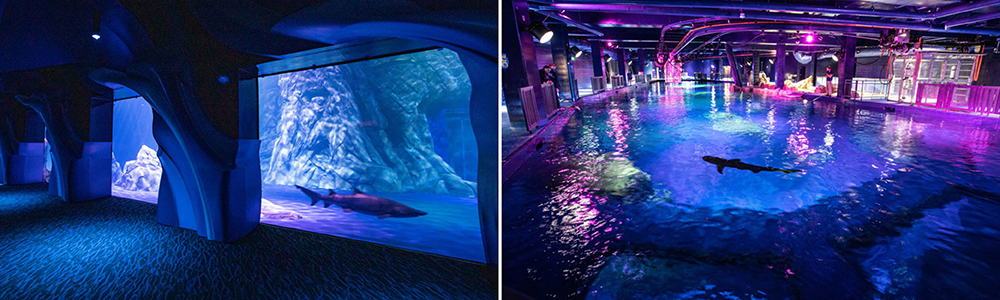
Georgia Aquarium Expansion
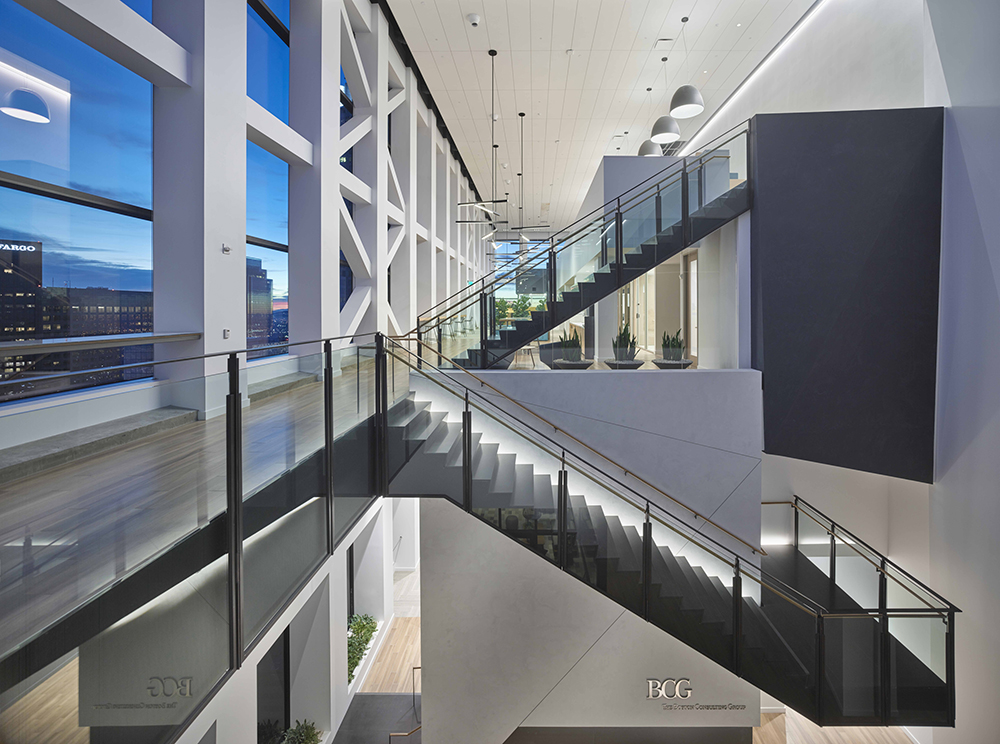
Boston Consulting Group